
Granule Sachet Packing Machine
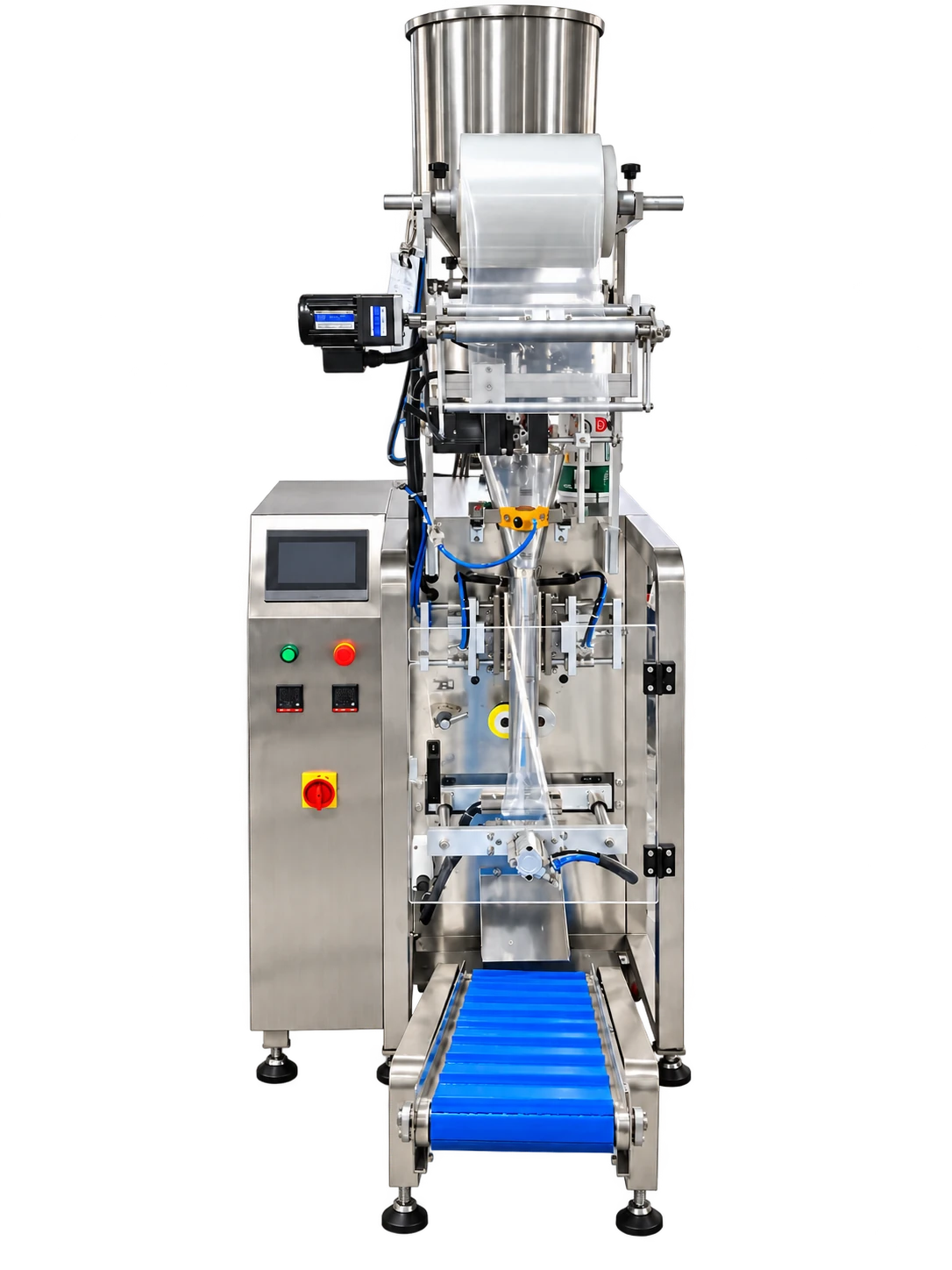
Pack free-flowing granules into convenient pillow sachets. The COTECH configuration shown combines rotary volumetric cup dosing, a back-seal forming lane and a discharge conveyor. Your product sample, portion weight and film guide the final setup.
CONTACT USWhich Dosing System Suits Your Granules?
The pictured machine uses a rotary volumetric cup system. Each measuring chamber receives product below the hopper and then releases it towards the forming tube. This approach is considered for granules that fill and empty the chamber consistently, rather than selected from the product name alone.
A cup measures volume; the resulting weight depends on how much product occupies that volume. Bulk-density changes, fines, moisture and differences in particle size can affect portion weight. Representative samples and weighed packs help establish a suitable cup configuration and operating conditions.
Send the product, target weight, sachet dimensions and film specification. Trials should check dose repeatability, product discharge, seal-area cleanliness and collection. Sticky, fragile or irregular products may need a different dosing arrangement, confirmed through a separate review.
 GRANULE / SACHET FORMAT
Features
- Rotary volumetric cup dosing arrangement shown
- Stainless steel hopper feeding the cup assembly
- Single forming lane for back-seal pillow sachets
- Roll-film support and guide-roller path
- Vertical back-seam and horizontal end-sealing units
- Touchscreen HMI beside the packing area
- Separate vertical and horizontal seal temperature controllers
- Discharge conveyor shown for finished-pack collection
- Portion checks matched to actual granule flow and density
- Film and finished-pack trials before setup approval
Services
- Granule and film sample review before configuration
- Portion weight, cup setup and sachet-drawing confirmation
- Factory testing against agreed filling and pack criteria
- Installation preparation and operator guidance
- Product-contact compatibility and cleaning review
- Maintenance documentation and spare-parts planning
- Shipment inspection against the agreed equipment scope
PACK DESIGN
Types of Packages
The machine shown produces a pillow sachet with a longitudinal back seam and sealed ends. These drawings illustrate pack-design directions; the finished width, opening feature and connected-pack options depend on the selected forming, sealing and cutting tools.
Back-Seal Sachet
Tear-Notch Sachet
Sachet Strip
Formats
A pillow sachet is formed from roll film, filled through the product path and closed with end seals. Target weight, granule volume, sachet width and length, and clear sealing margins need to be considered together.
Share a finished sample or drawing with the desired seam, opening and cut position. Different corner profiles, connected sachets or alternative seal layouts require a tooling review; a package illustration does not establish compatibility with one fixed setup.
Laminates
Granule sachet film needs a sealant layer and barrier suited to the product and storage conditions. Moisture sensitivity, particle shape and handling after packing all help define the material brief.
Send the laminate specification and a roll sample. Film feeding, finished-pack closure and opening should be checked with the actual granules. Product trapped in the seal or pressure from the packed contents can require changes to the pack or operating setup.
SACHET APPLICATIONS
Product Samples
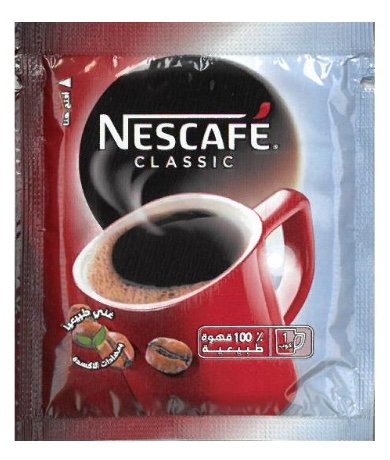
Commercial packs illustrate granular product applications and portion formats. These third-party brands are packaging references, not COTECH customers. Their pack shapes may differ from the pillow sachet shown; the dosing setup and finished format are confirmed with your own product and film.





INSIDE THE MACHINE
Machine Details
Follow the granules from the hopper through cup dosing and sachet sealing, with setup checks at each step.
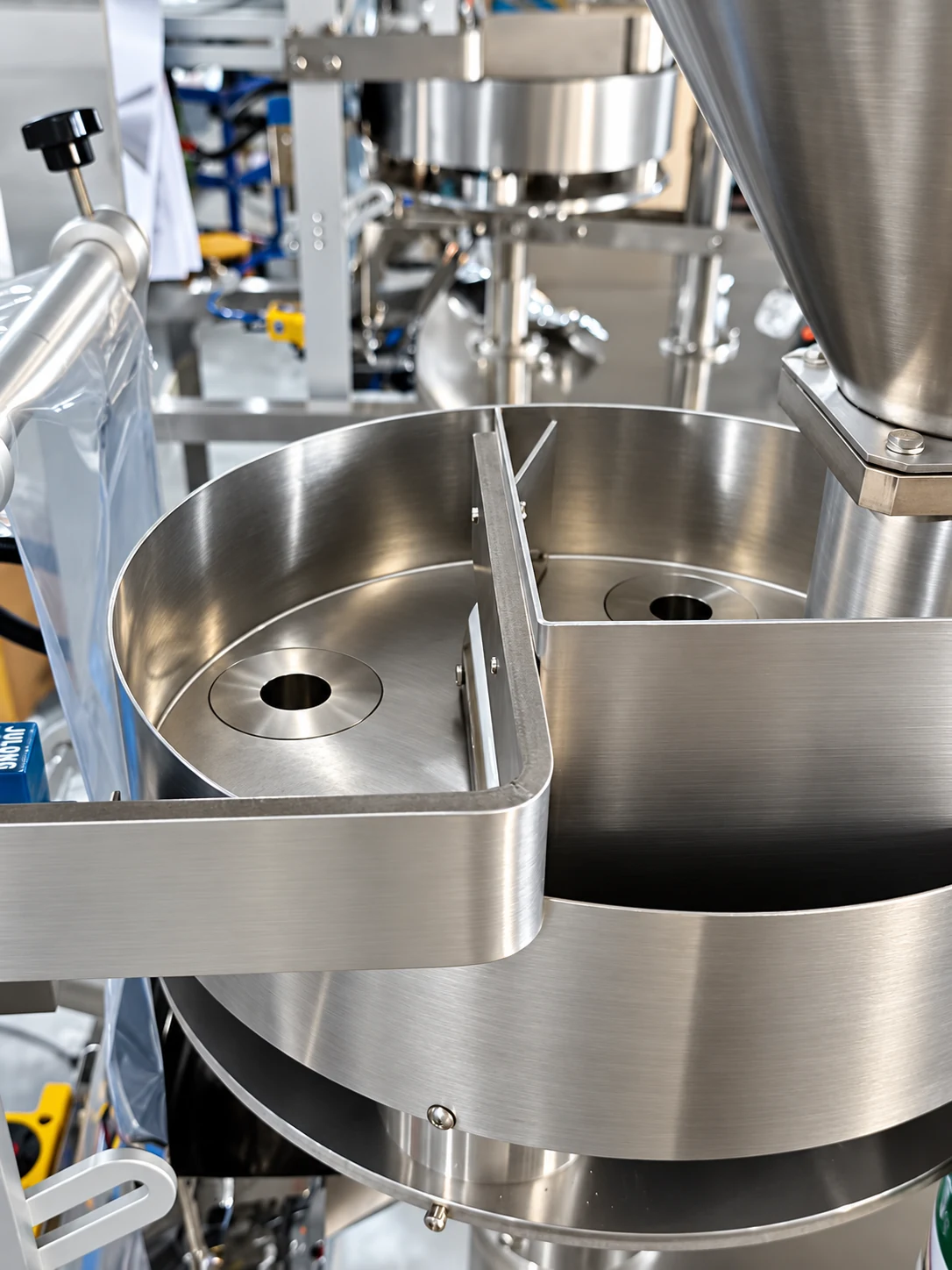
01 / ROTARY VOLUMETRIC CUP DOSING
Check weight with the granules you will actually run.
A fixed volume can contain different weights when the product density changes. The rotary cup arrangement portions a chamber of granules before discharge; the cup setup needs to match the product and required serving.
Weigh sample packs using representative material, including expected batch variation. That gives your team a practical basis for agreeing the dosing configuration and acceptance checks.
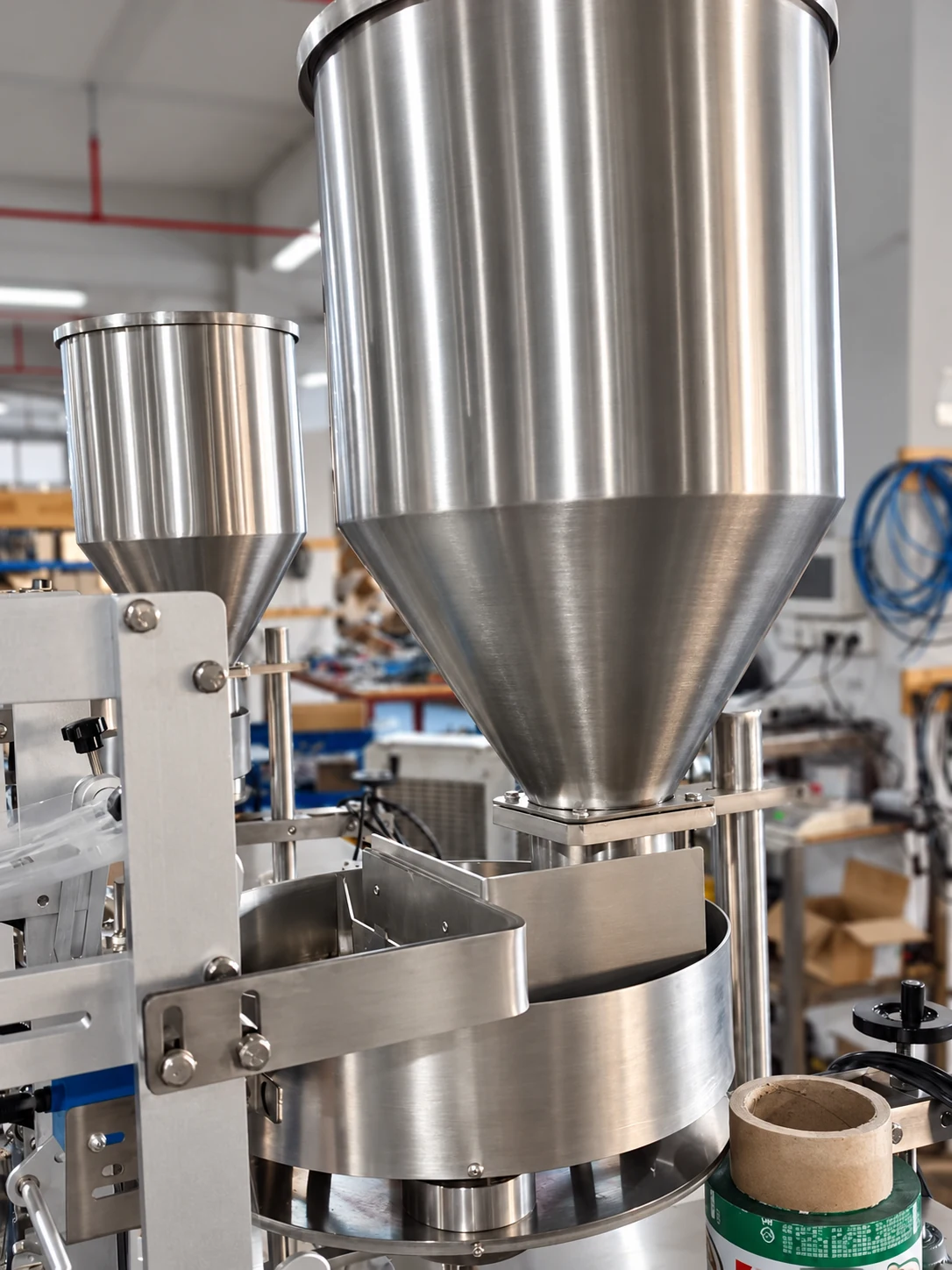
02 / STAINLESS STEEL PRODUCT HOPPER
Start consistent portions with a steady product feed.
Uneven flow into the metering area can leave a cup incompletely filled. The stainless steel hopper guides granules towards the rotary assembly; refill practice and product flow should be reviewed together.
Share particle size, fines and any tendency to stick or bridge. A sample trial helps assess feeding and the cleaning access needed between products, rather than assuming every granule behaves alike.
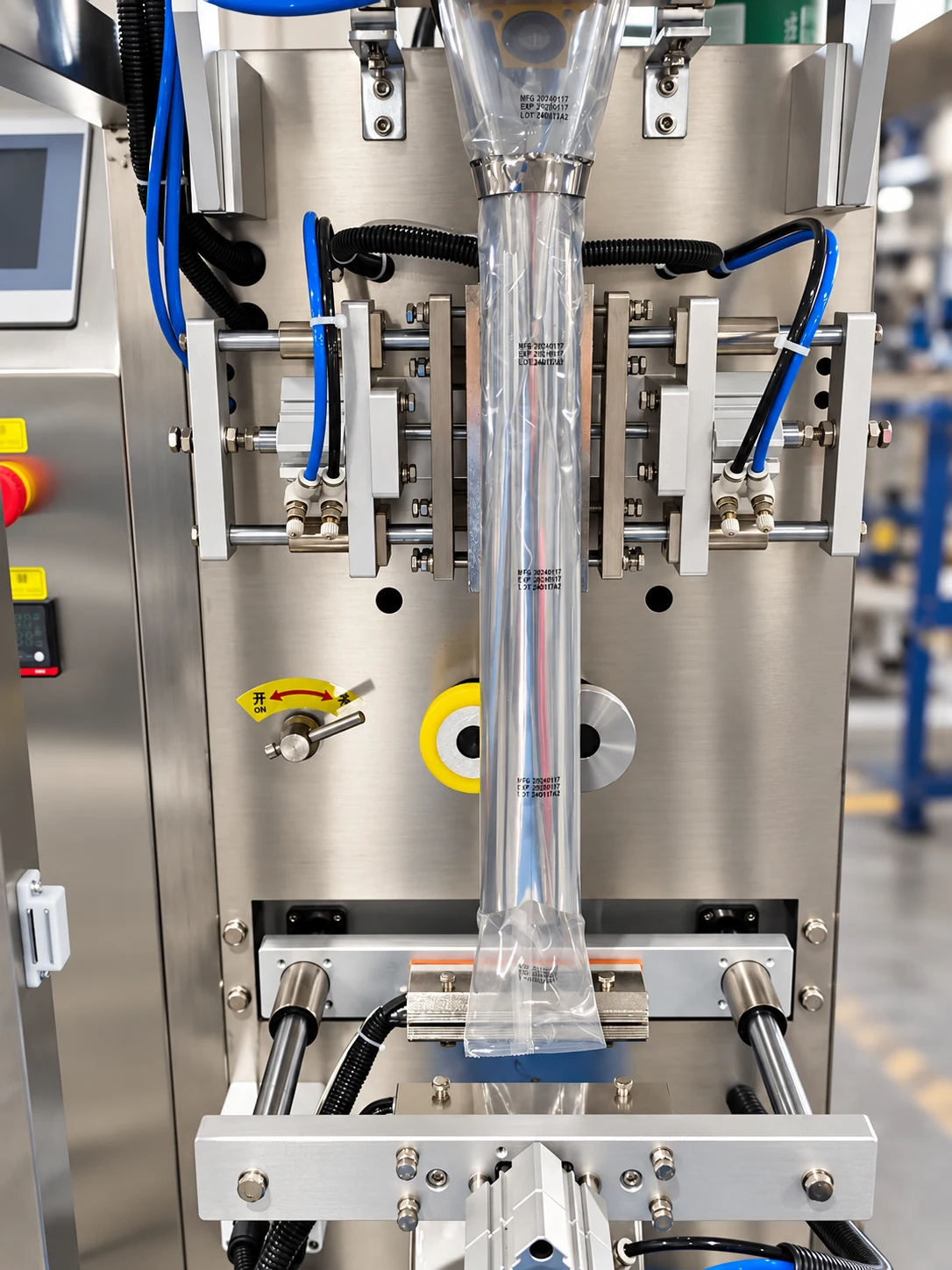
03 / VERTICAL & HORIZONTAL SEALING
Give each seal a clear area to close.
A granule caught between the sealing surfaces can interrupt the closure. On the back-seal configuration shown, the vertical unit forms the rear seam and the horizontal jaws close the sachet ends.
Review product drop timing, settling space and seal margins with the chosen film. Finished-pack checks help assess closure and appearance before production conditions are approved.
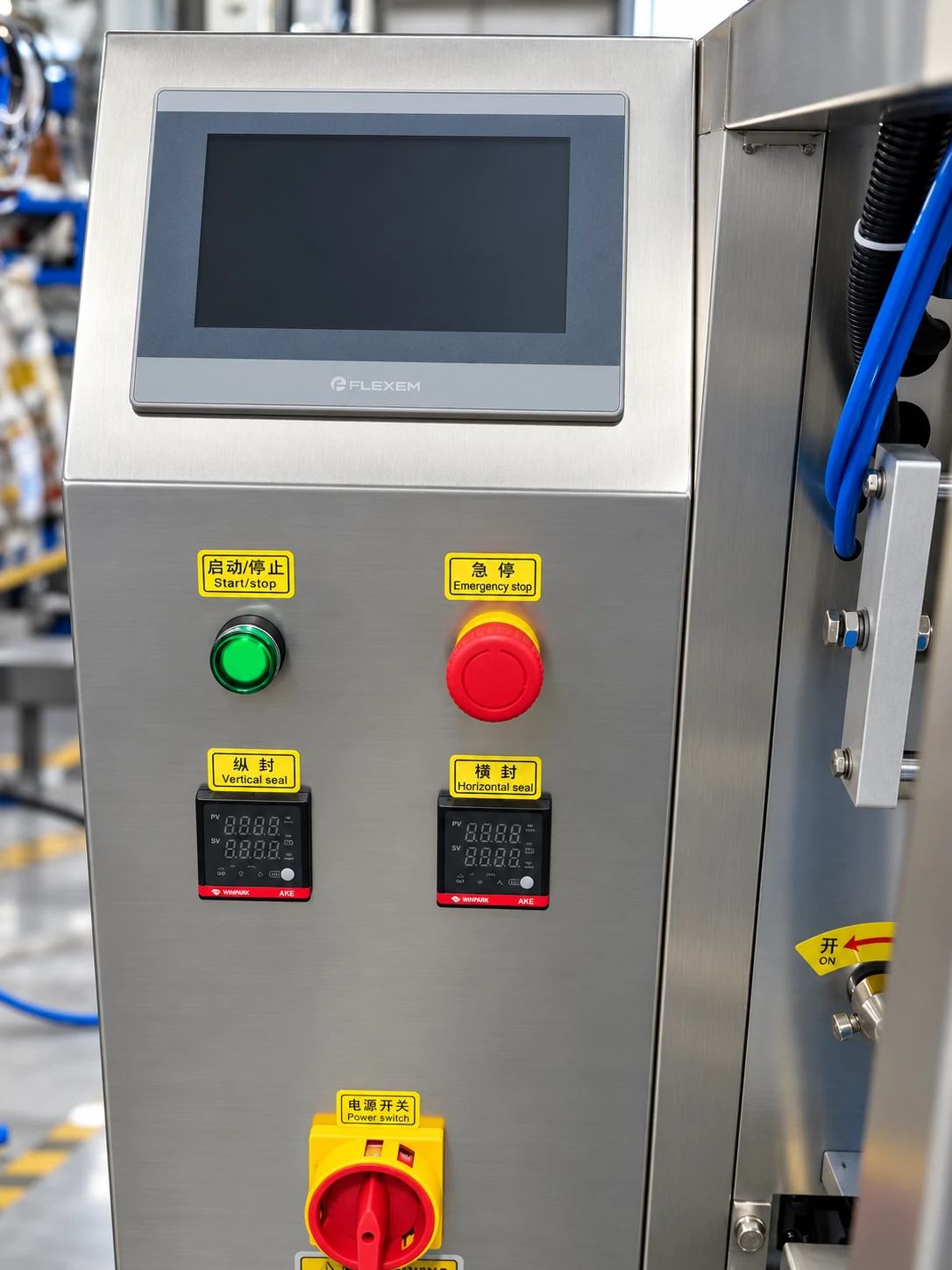
04 / TOUCHSCREEN & DUAL TEMPERATURE CONTROLS
Check the two sealing zones independently.
A film change may require different sealing conditions. The touchscreen places the operating interface beside the packing area, while labelled controllers display the vertical and horizontal seal temperatures separately.
Record the settings established during your product and film trial. Operators then have a useful setup reference when returning to the same sachet and granule combination.
Have a sachet sample or artwork? Send your granules, fill weight, pack dimensions and film specification. We can review the coding, sealing and cutting requirements together.
DISCUSS YOUR SACHET
PACKAGING KNOWLEDGE
Related Stories

Get Your Packaging Solution
Tell us your product and packaging requirement. Our team will recommend the right stick pack or sachet packing machine for you.