POWDER
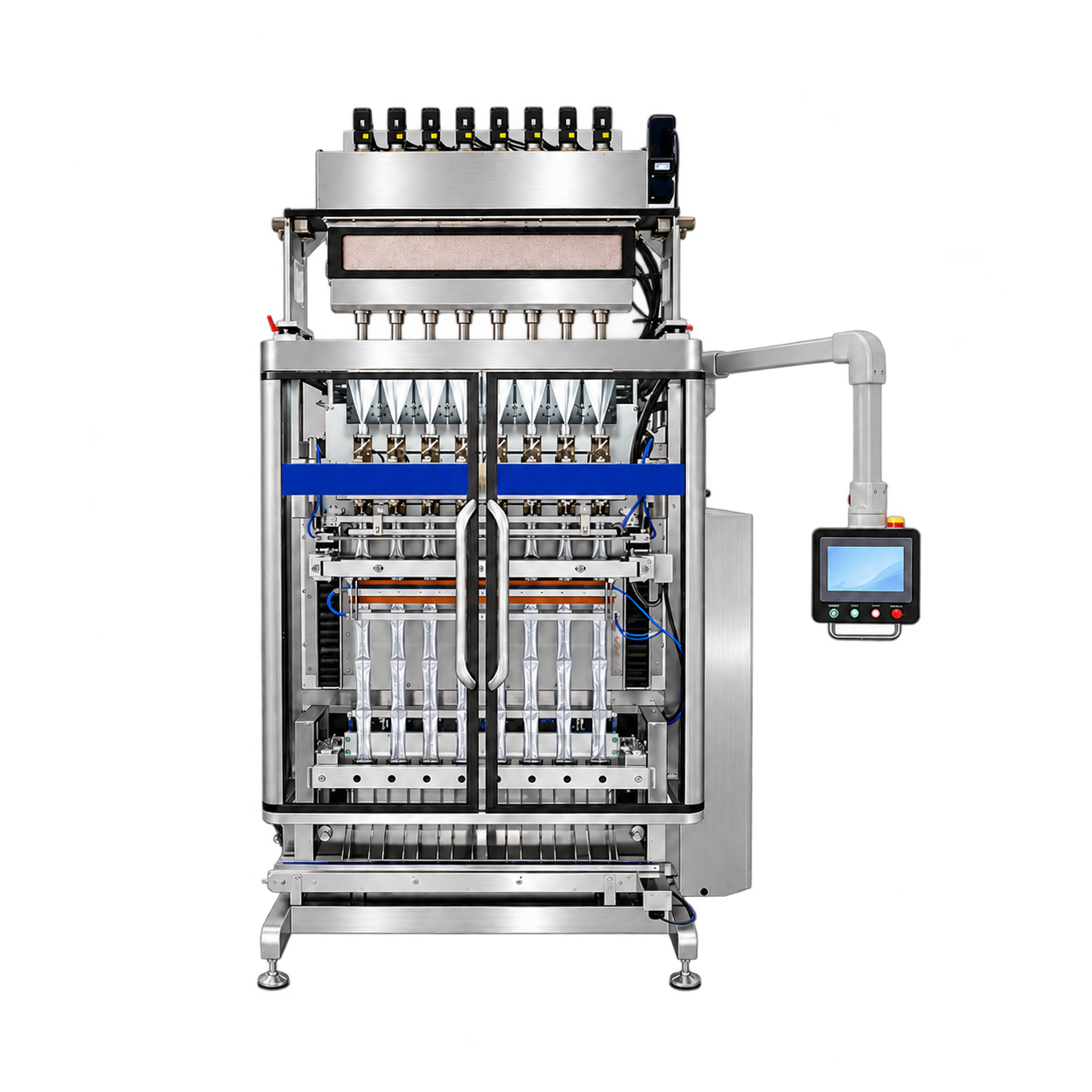
Powder Stick Pack Machine
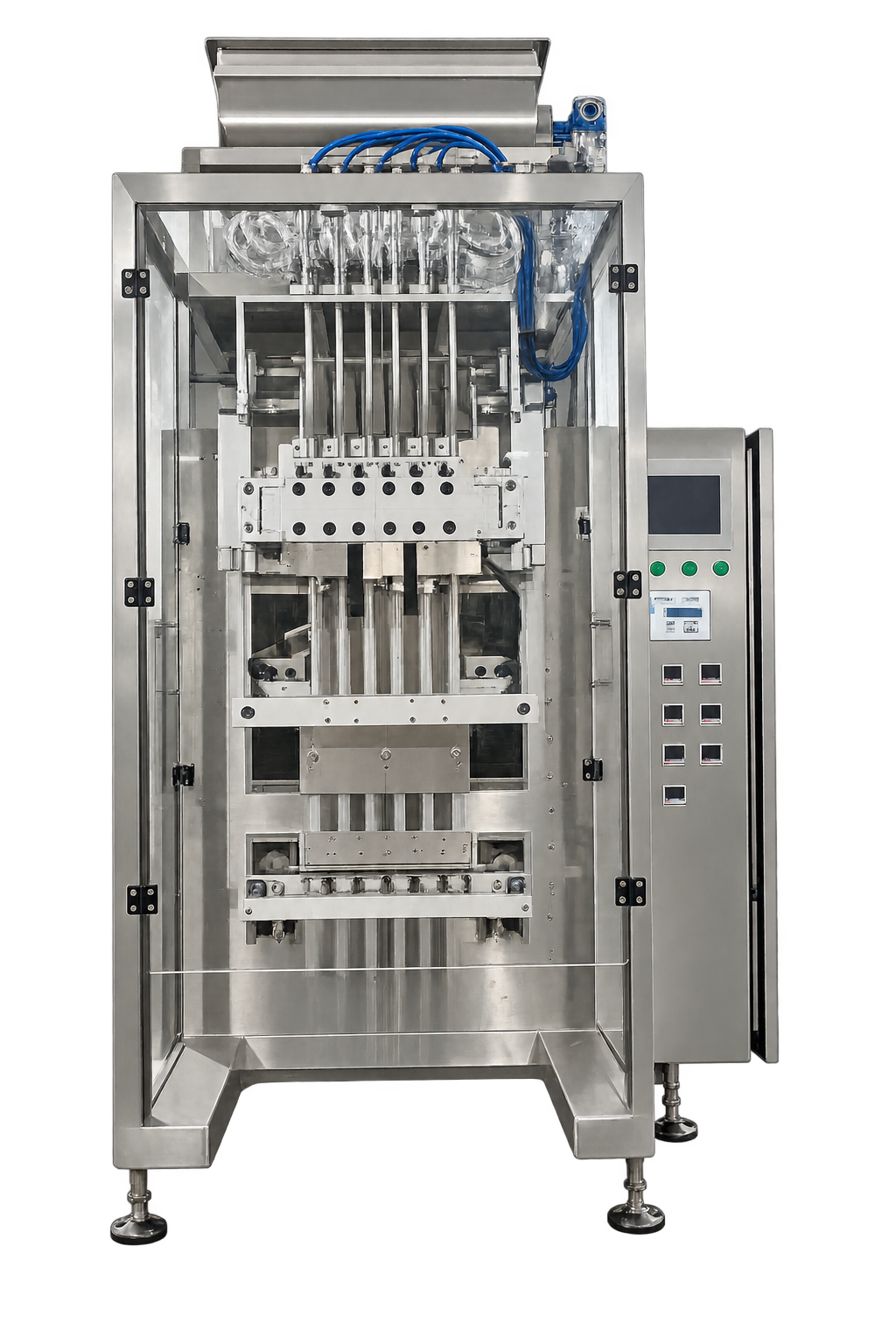
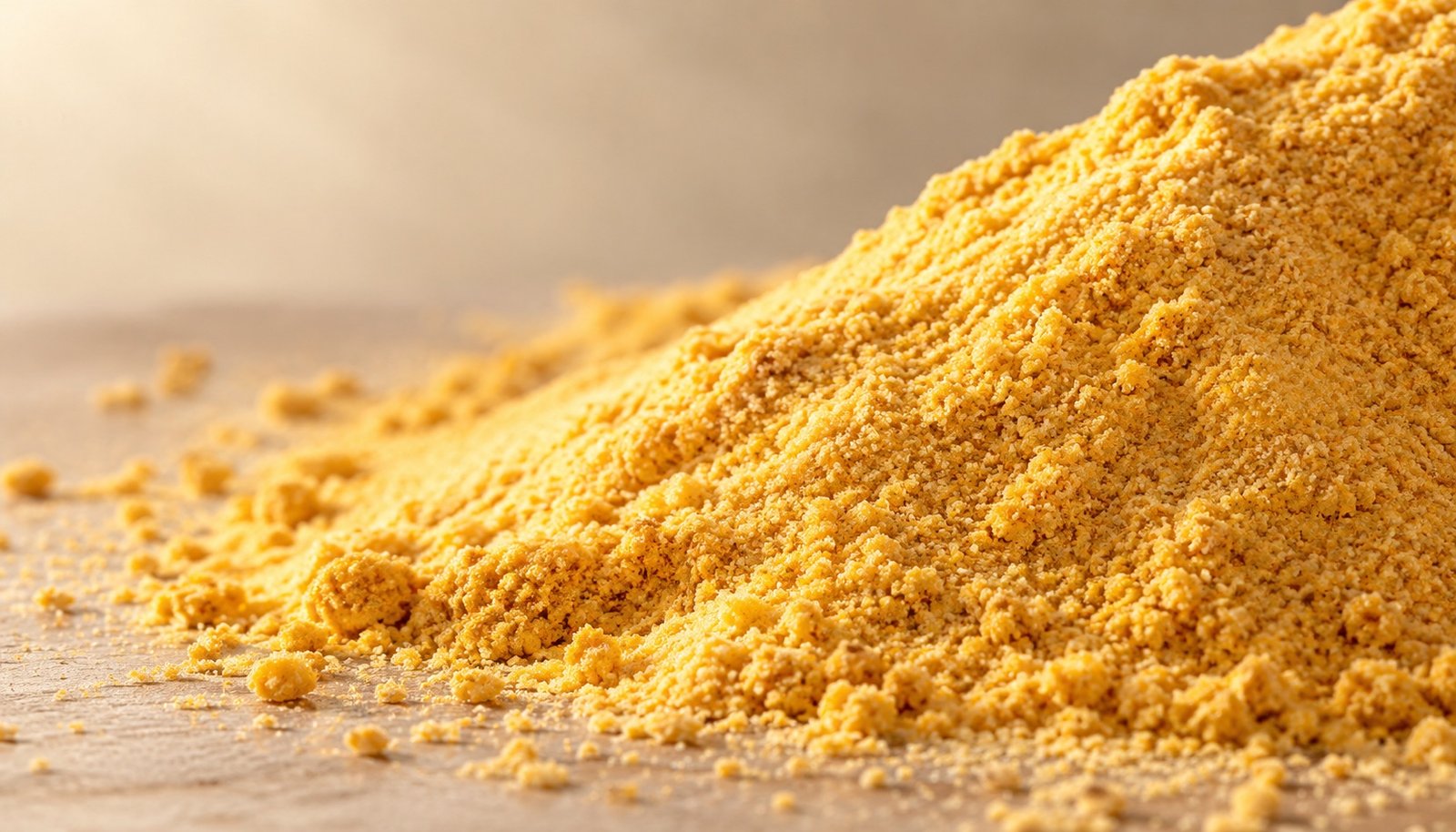
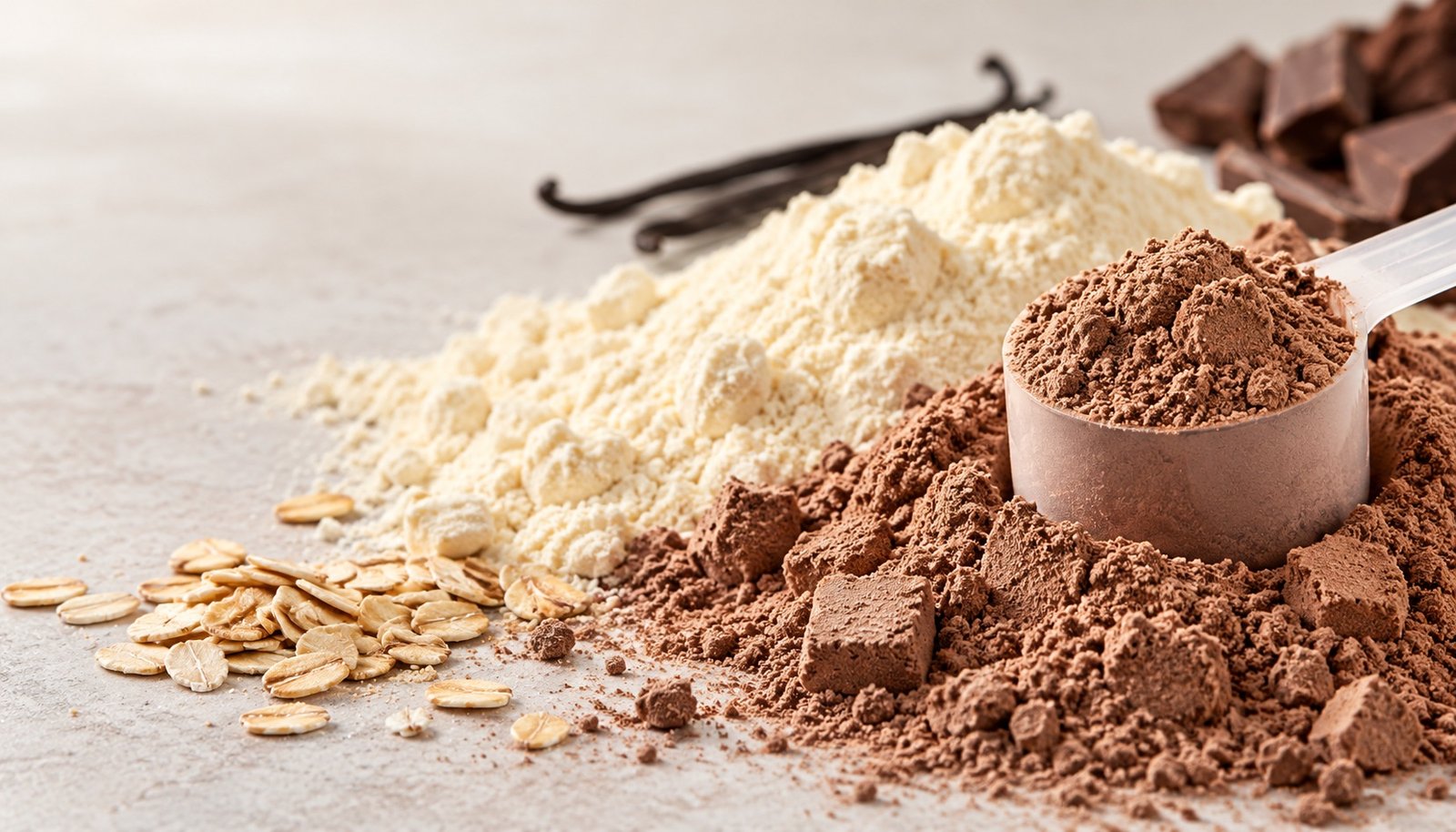
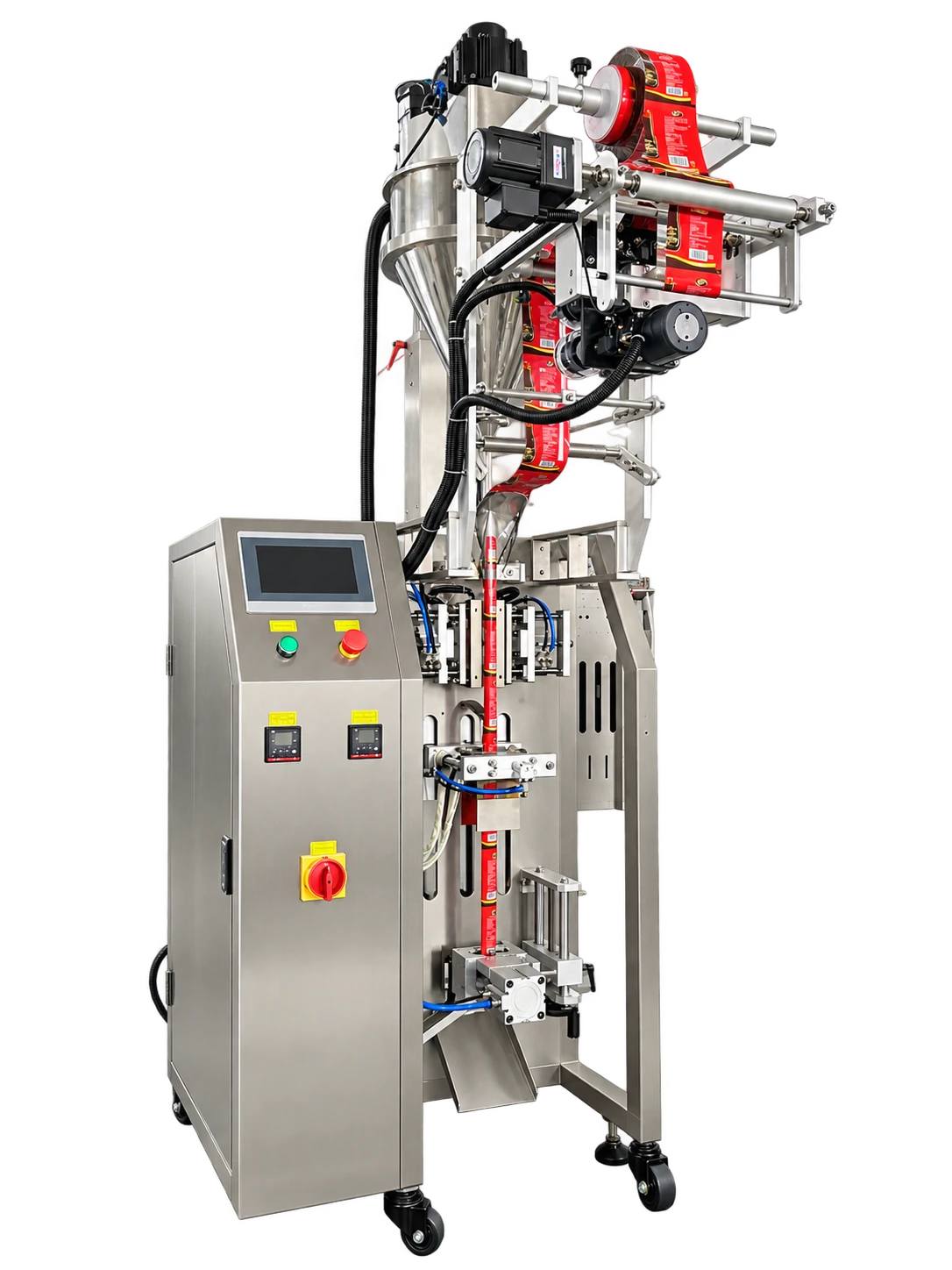
Auger dosing and narrow stick pack forming for coffee, drink mixes and nutritional powders. Review screw selection, product flow and the target dose together.
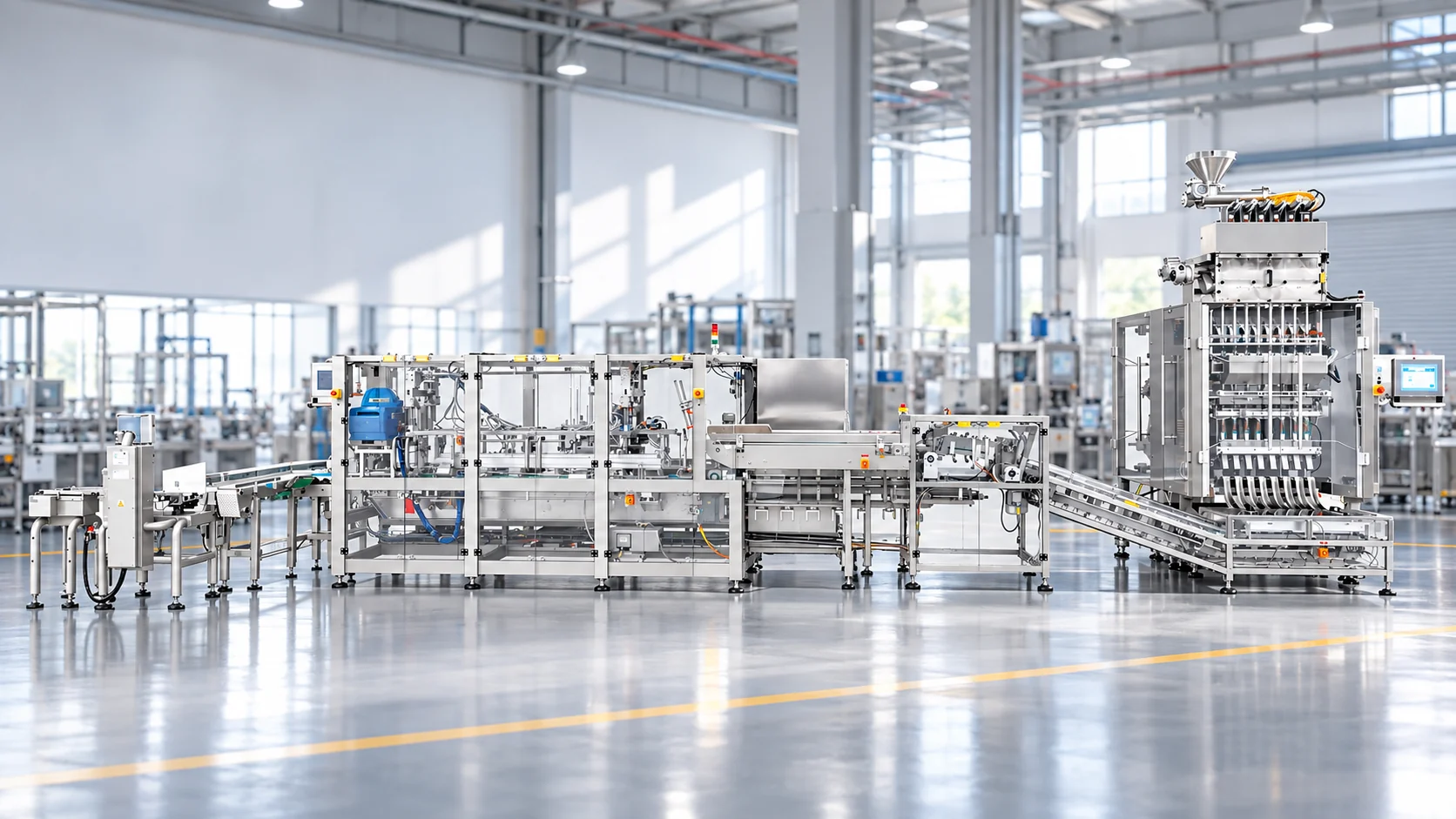
Single-serve packaging for powders, liquids and granules. Find the filling system, lane configuration and line scope that fit your product.
From a single-lane machine to an integrated stick pack line, start with the product and the pack you need.
COTECH manufactures stick pack and sachet packaging equipment in Foshan, China. We configure the dosing system, forming and sealing process around the product you need to pack, from drink powders and free-flowing granules to liquid portions.
Share your product, fill amount, finished stick dimensions and output target. Together, these details define a useful starting point for selecting a machine and reviewing the equipment around it.
Auger dosing and narrow stick pack forming for coffee, drink mixes and nutritional powders. Review screw selection, product flow and the target dose together.
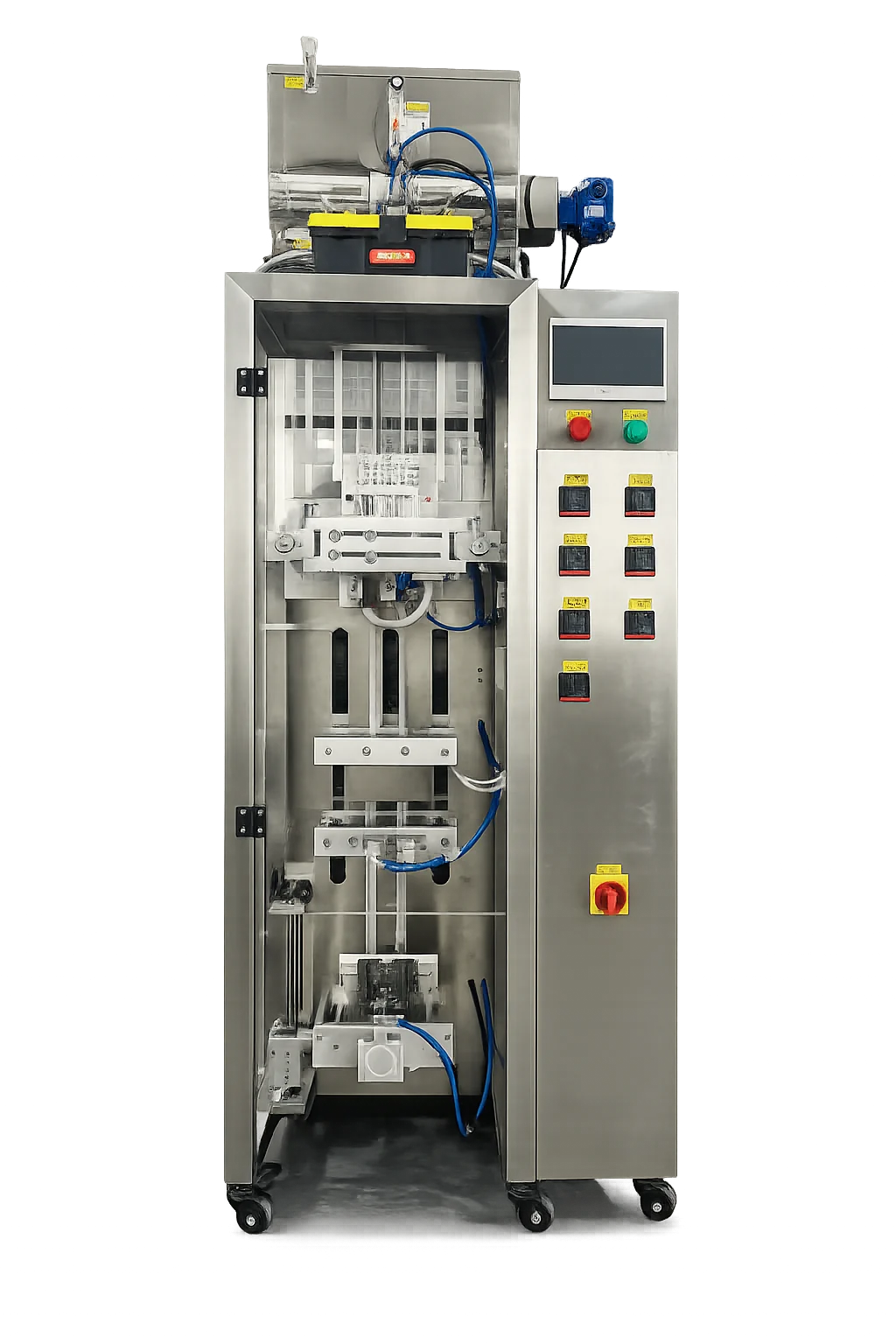
Single-lane liquid stick packing with servo-driven ceramic pump dosing. The heated hopper, fill path and sealing setup are reviewed for your formulation.
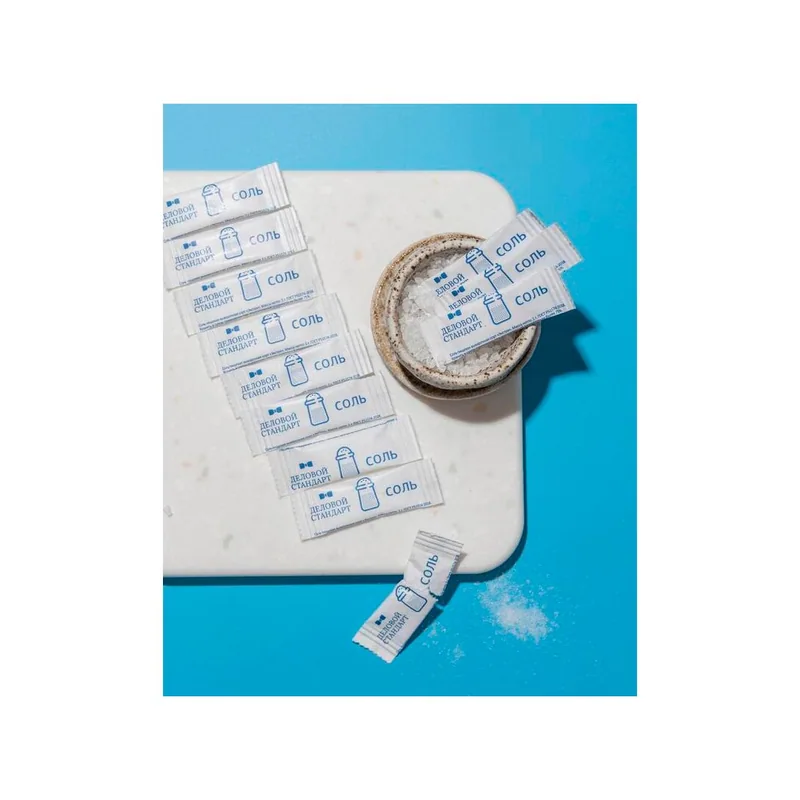
Portion packs for sugar, salt and soluble granules. Volumetric or weighing options are evaluated against particle size, bulk density and product flow.
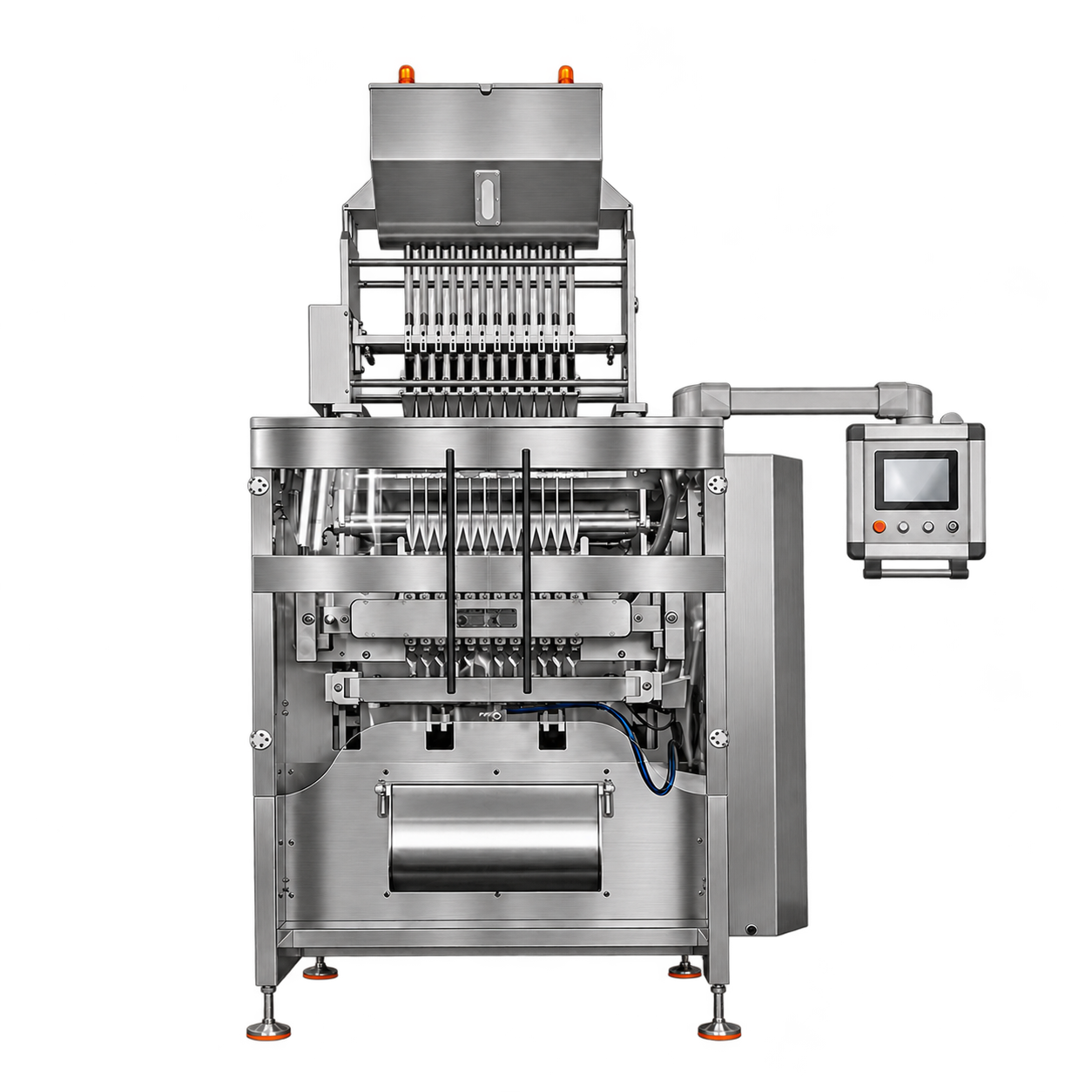
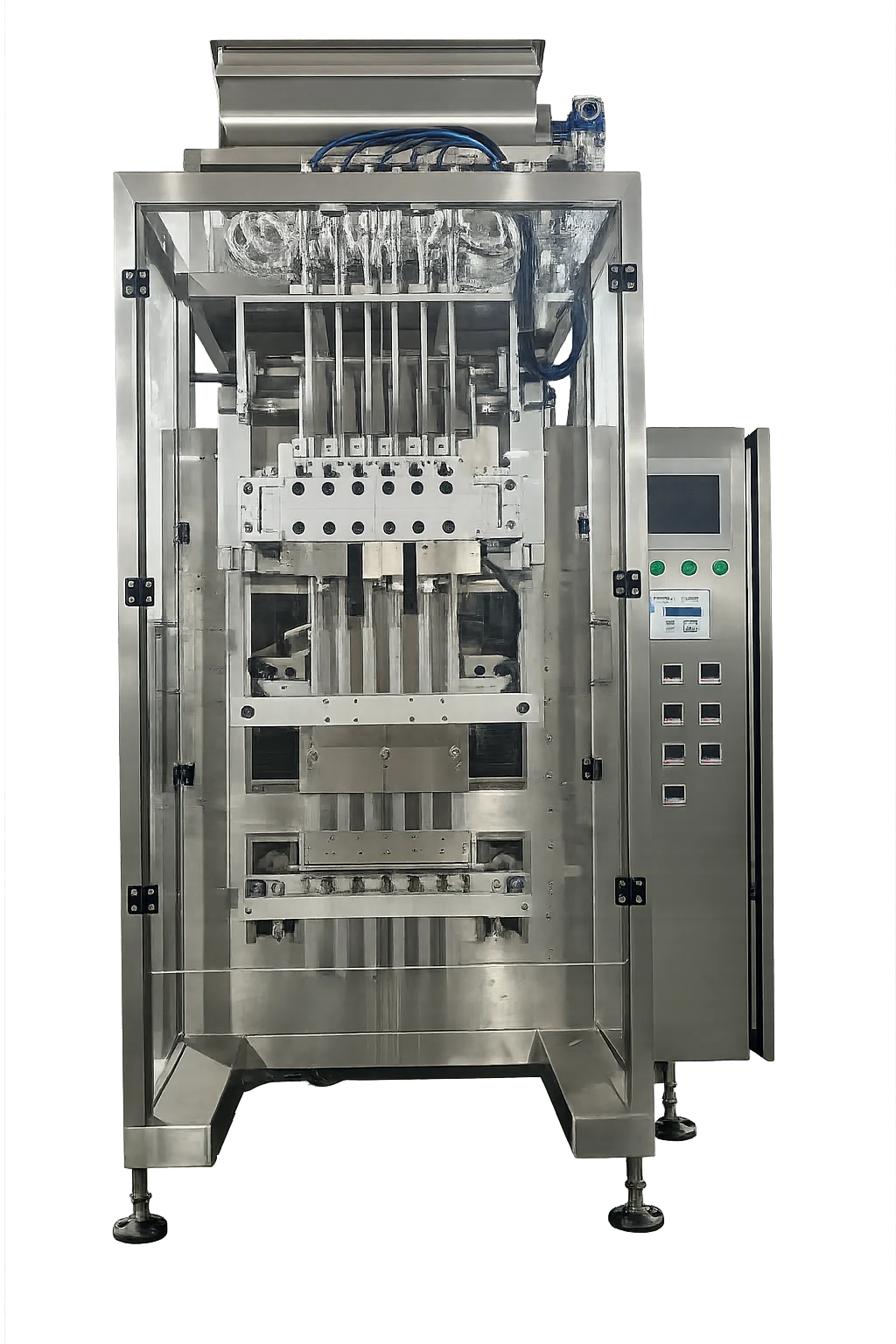
Representative multi-lane equipment; configuration follows the product review.Explore the product requirements behind each application.
Assess powder flow, dust around the seal and the moisture barrier needed for individual drink portions.
Review portion consistency, handling and cleanability for supplement and nutrition powder projects.
Match the dosing approach to particle flow and density, then check the finished stick and seal.
Market packaging reference; not a COTECH customer endorsement.Consider viscosity, filling temperature and the product-contact path before selecting a liquid circuit.
Plan single-serve hydration mixes, nutrition powders or gels around the actual formulation and dose.
Review product compatibility, cleanability and opening requirements for small-format personal care packs.
Estimated output is the number of lanes × 30–35 packs/min per lane. Confirm running speed with your product, pack size and film.
30–35 packs/min
Launch your first branded stick packStart with one lane and short runs using your own printed film. Test demand before investing in more packaging capacity.
60–70 packs/min
Add capacity where space is tightPack on two lanes in one machine when floor space for a second unit is limited. Check clearance for operators and maintenance.
120–140 packs/min
Scale a proven productMove from trial batches to scheduled production as repeat orders grow. Match the four-lane setup to your usual batch size and pack width.
Representative multi-lane machine photo.180–210 packs/min
Keep fast-selling products in stockUse six lanes for regular runs of your best sellers. Plan around the quantities your retailers or online channels need each week.
240–280 packs/min
Handle larger wholesale ordersPlan bigger batches for distributors or contract packing customers. Check that stick collection and counting can keep up with eight lanes.
360–420 packs/min
Scale a complete packing lineFor sustained high-volume orders, plan twelve packing lanes together with feeding, inspection and cartoning so each stage can keep up.
Explore project videos and finished stick packs to see how different products are packed.
Follow a powder project from filling to finished sticks, with the production footage and pack details brought together in one place.
See the filling and sealing process alongside the finished honey sticks, including close-up views of the pack and seal.
Explore a gel packaging project through the machine-running footage and finished-pack views, from filling through to discharge.
From fill consistency and pack appearance to operation, cleaning and downstream handling, COTECH configures stick pack equipment around your product, pack design and production routine.
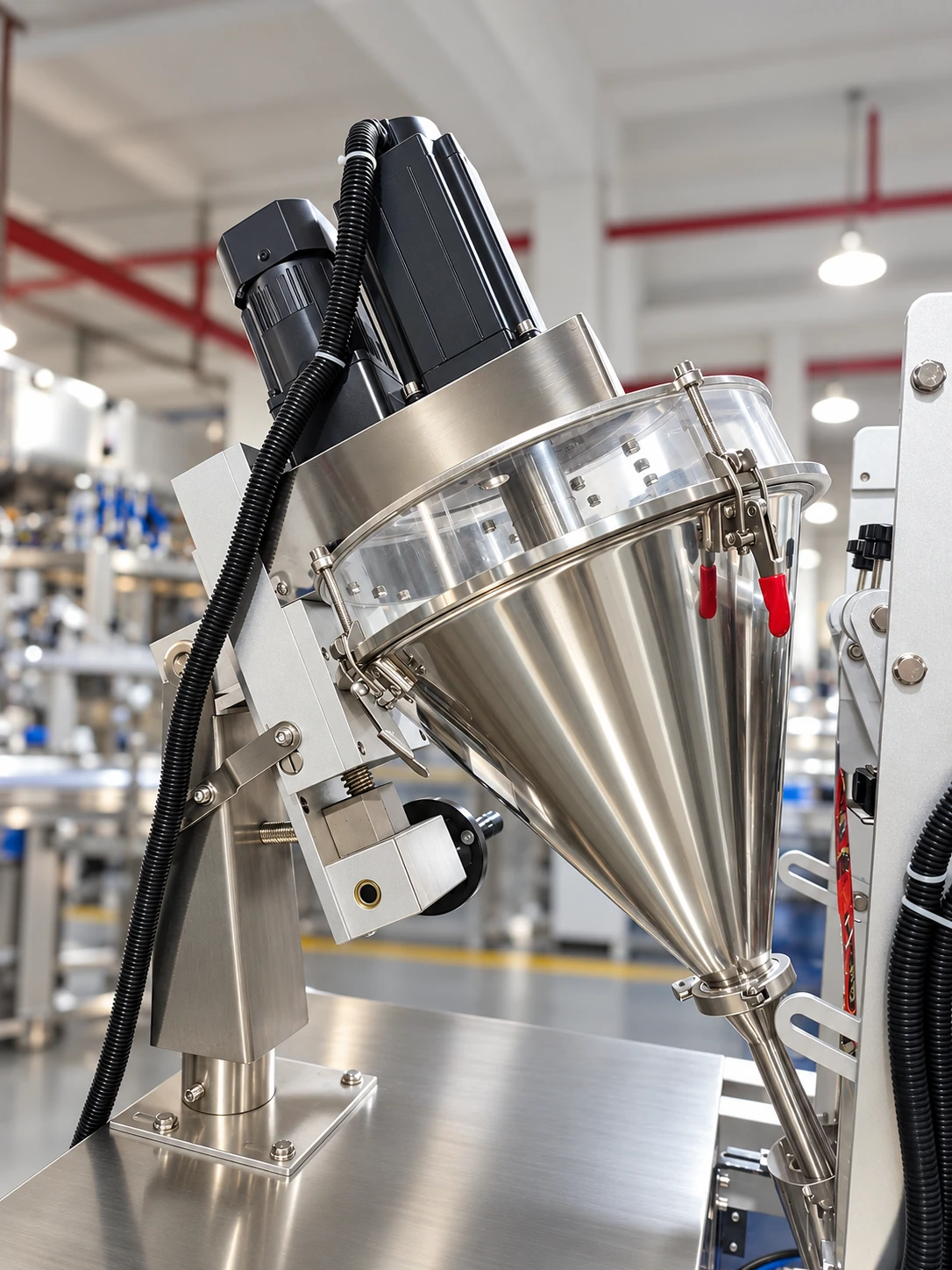
Variation in powder density, liquid flow or granule feeding can change the amount in each stick. COTECH matches auger, pump, volumetric or weighing options to the actual material, portion and filling conditions, and considers product supply together with the dosing system.
For a multi-lane project, calibration and sampling are carried out by lane so that an acceptable overall average can be checked against the performance of each channel. Trials can also include replenishment and changes in hopper level to see how the feed behaves during a production run.
The aim is to help you manage underfills, product giveaway and material cost with a filling setup evaluated around your own product and acceptance criteria.
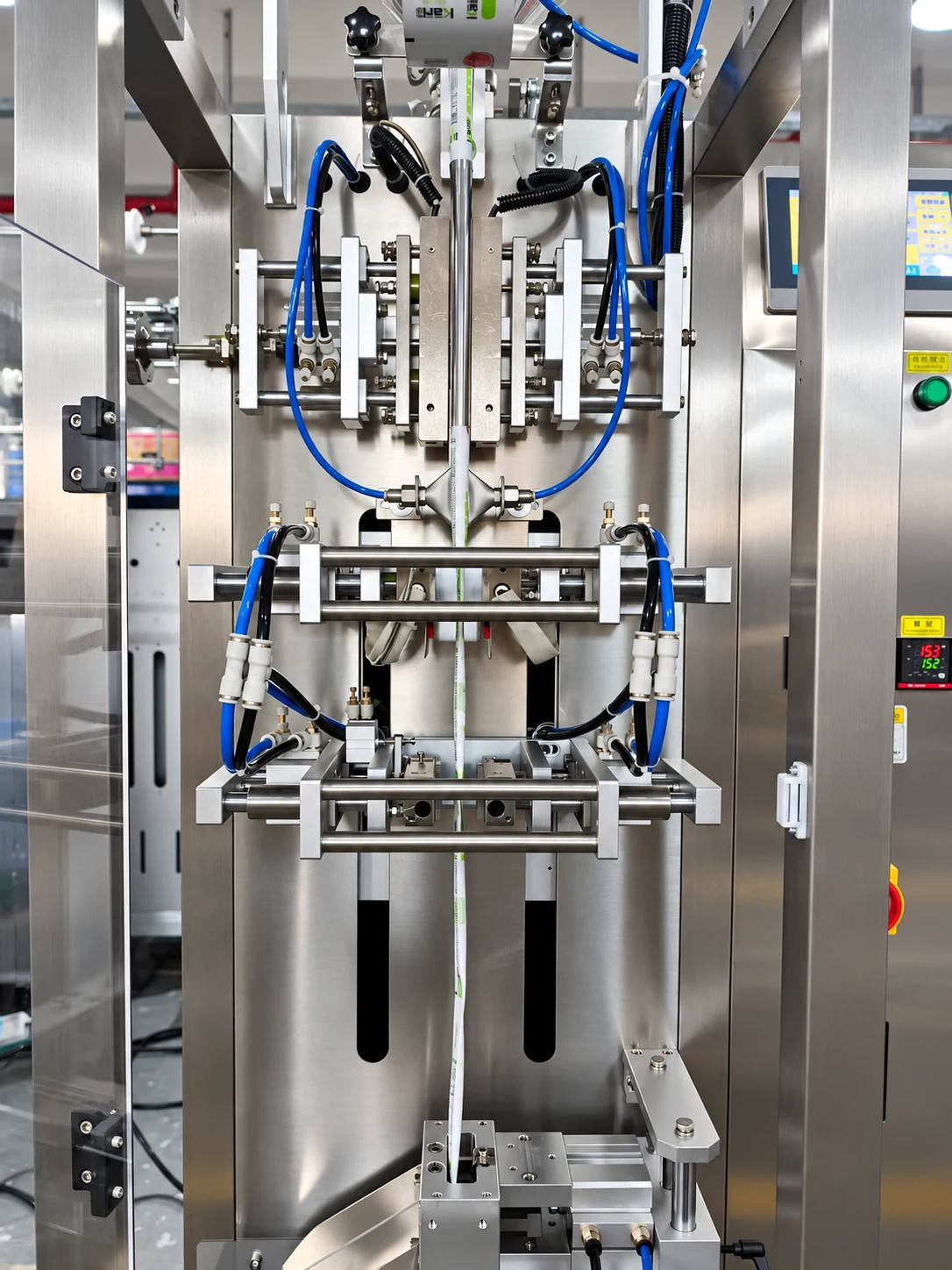
Powder in the sealing area, a liquid drip or a trapped granule can interrupt production and leave a pack that needs to be rejected. COTECH coordinates product delivery, settling time and the sealing cycle around the material and the space available inside the stick.
Depending on the project, the filling path can incorporate dust control, suitable liquid cut-off or controlled granule discharge. Separate vertical and horizontal seal temperature controls allow the two sealing zones to be adjusted for the chosen film and operating conditions.
Trials bring the fill timing, sealing settings and actual laminate together. Finished sticks are checked for closure and appearance against agreed criteria, helping your team establish a repeatable setup for the intended product.
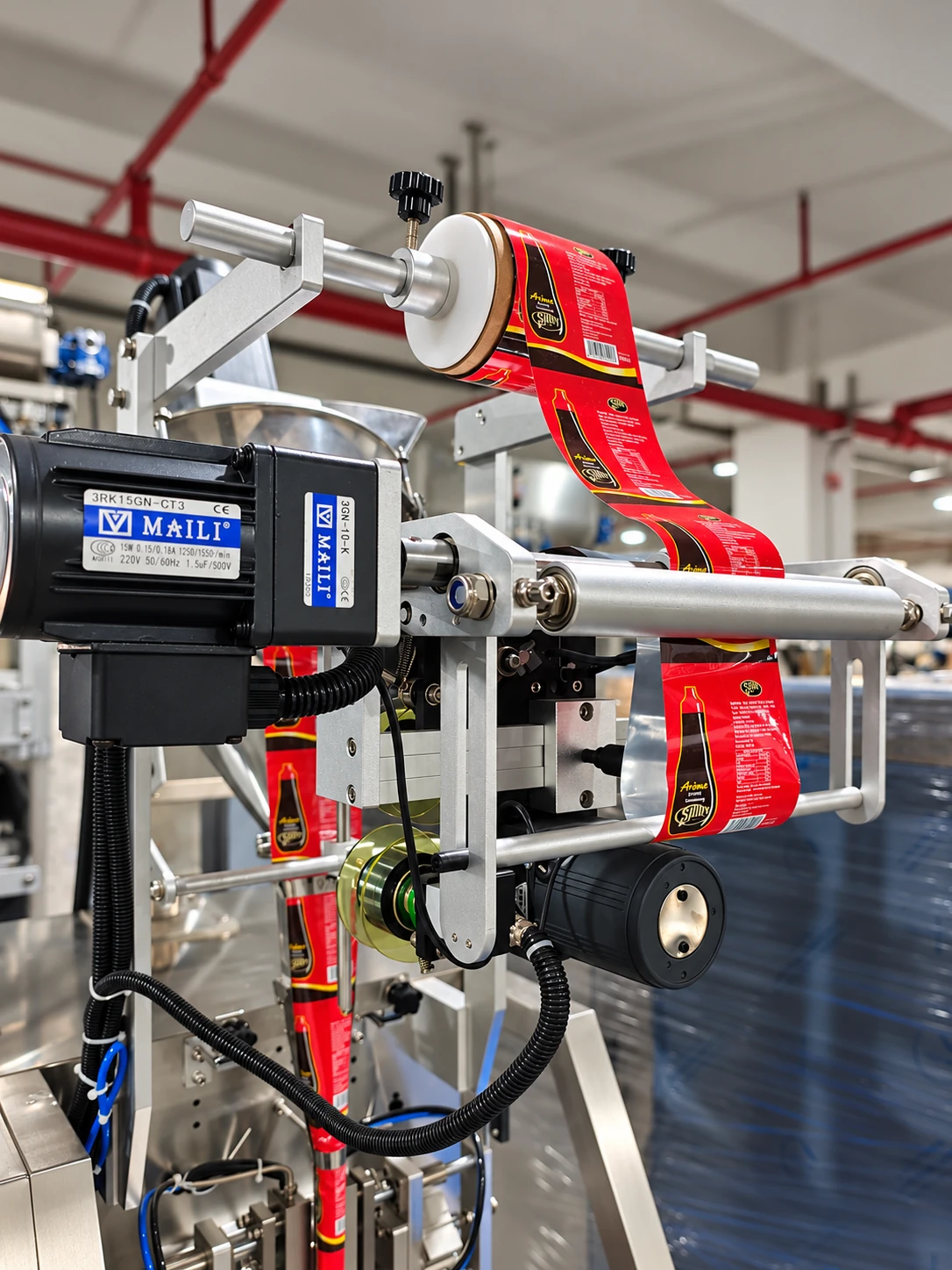
Your customer sees the finished pack first. Artwork that drifts into a seal, an uneven cut or a poorly placed batch code can affect how that pack presents your brand. COTECH plans film handling, print registration, forming and cutting around the printed rollstock and finished stick drawing.
Pack length, seal margins and coding positions are reviewed together. Optional tear notches, rounded corners and connected sticks are matched to the required tooling and the way the pack will be opened, handled or placed in a carton.
Using your artwork and a film sample, the trial can check print alignment, cut position and the opening experience. This gives you a filled sample to review before approving the packaging setup.
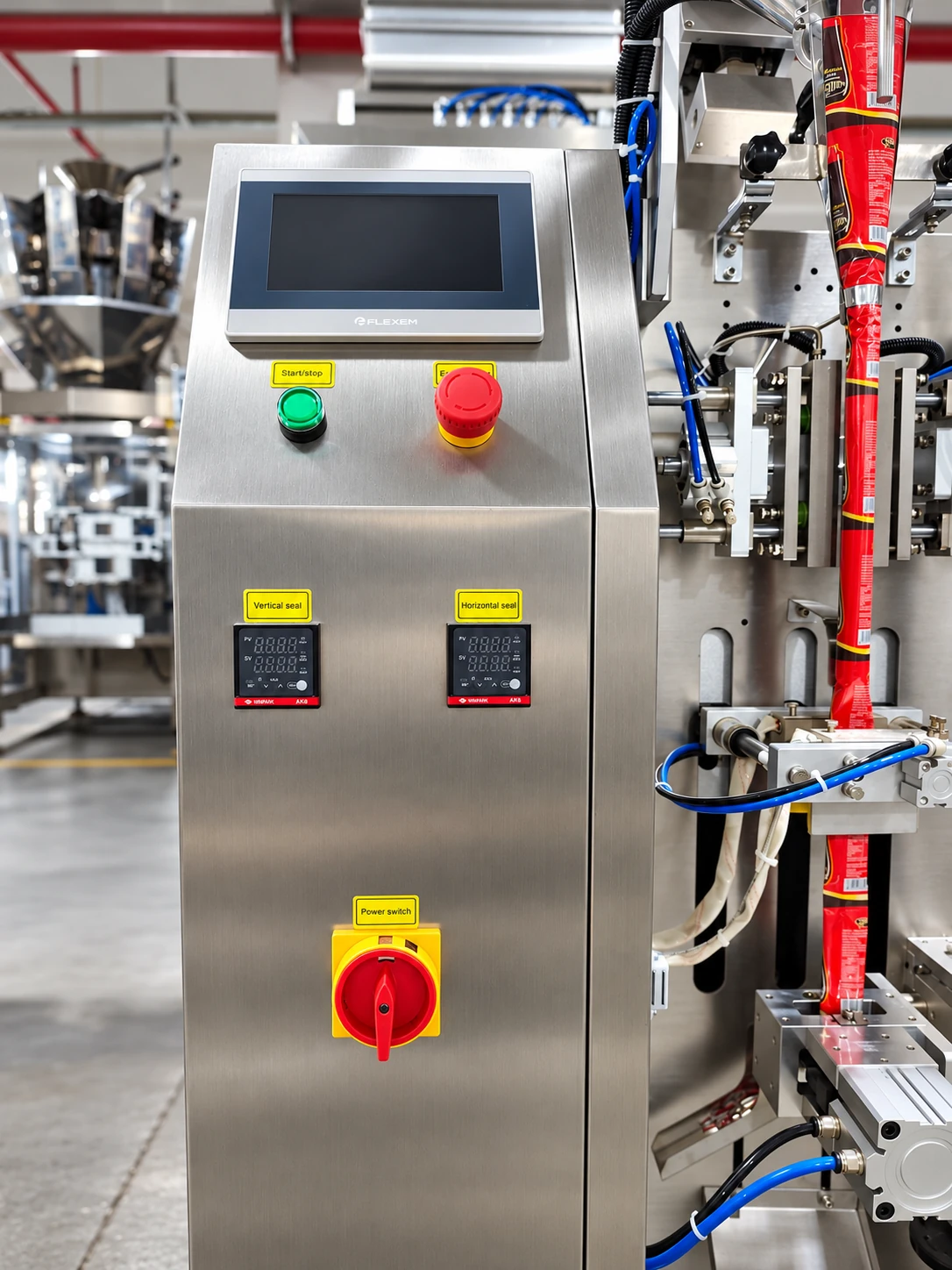
Operators need a clear view of the machine when setting up a product or checking a change in pack quality. A touchscreen beside the packing area keeps the operating interface accessible, while separate temperature displays let the team check the vertical and horizontal sealing zones individually.
The settings established during product and film trials can be recorded alongside the film specification, target portion and setup sequence. When the product returns to production, the team has an agreed starting reference for threading, filling and sealing adjustments.
These documented steps support operator training and day-to-day troubleshooting, helping the team identify which part of the process needs attention when conditions change.
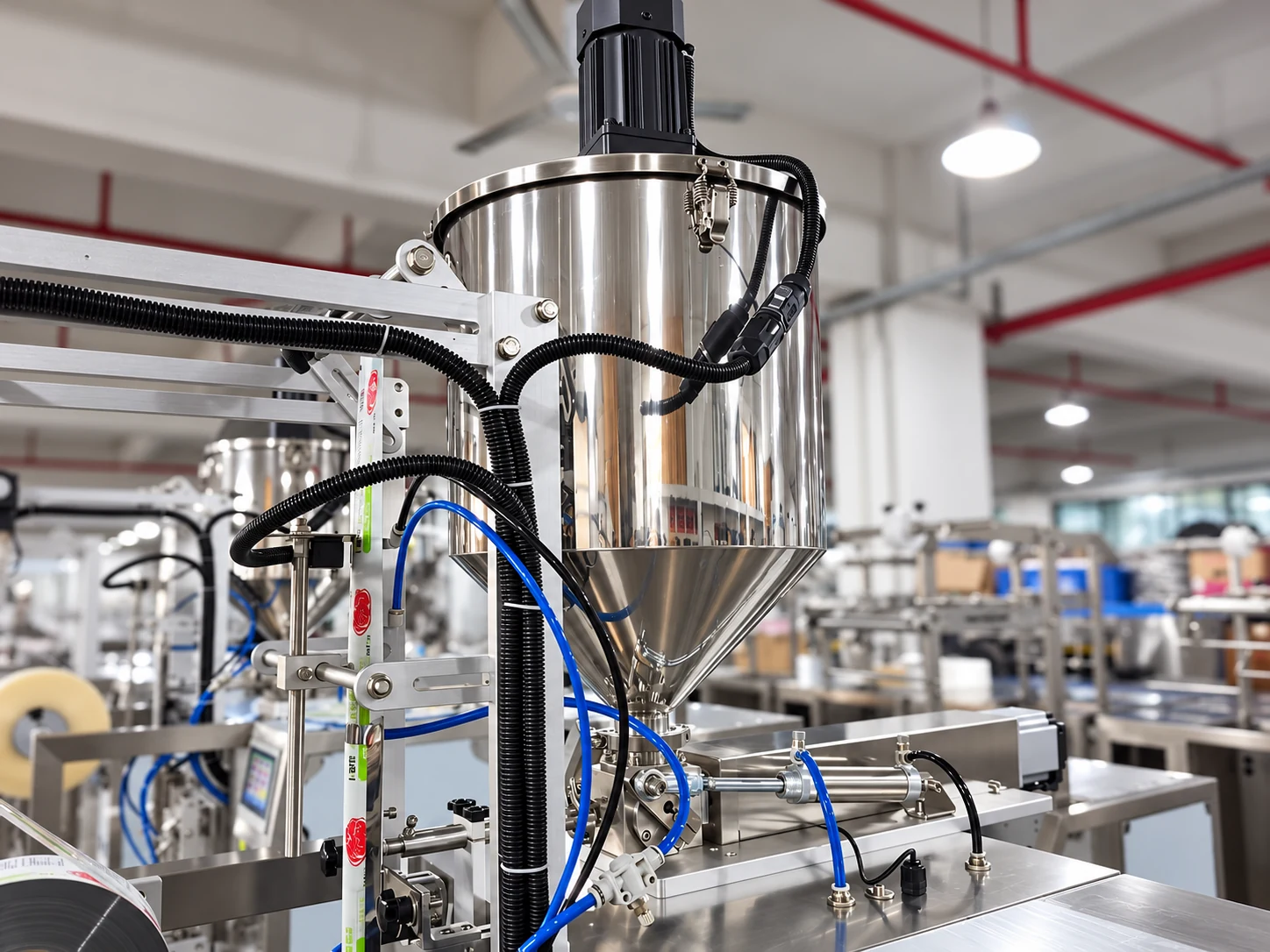
A production plan may include several flavors, formulations or stick sizes in one shift. COTECH reviews that product schedule when planning access to the hopper, dosing components, product path and nozzles, so cleaning and maintenance needs are considered during configuration.
For each intended change, identify the parts to remove or replace, the suitable cleaning method and the checks needed after reassembly. Powder and liquid circuits can require different procedures. Changes in stick width, length or dose are reviewed with the corresponding format and dosing parts.
Including cleanout, tooling changes, setup and first-pack checks in the changeover plan helps your team schedule batches, prepare spare format parts and allow realistic downtime between products.
As orders grow, product replenishment and finished-stick handling can become the steps that hold up production. COTECH can integrate feeding, inspection, counting, collection or cartoning around the scope of your stick pack project and the equipment already in your factory.
The line review covers transfer height, pack orientation, counting, rejected-pack handling and the response when a downstream machine pauses. Operating rates and buffer requirements are considered together so each stage can accept the output from the previous one.
A project layout brings these interfaces together with operator access, film loading and available space. It helps you plan staffing and downstream capacity around the accepted packs you need to deliver.
Configure feeding, dust control, liquid cut-off, gas flushing, film tracking, coding, cleaning access and recipe storage around your product and daily production needs.
Configure the product-feeding system around your material and factory layout. Level-controlled replenishment helps keep the dosing units supplied and reduces repeated manual hopper filling during multi-lane production.
Add enclosures, local dust extraction and suitable filling clearances around the points where powder escapes. Evaluate extraction together with powder flow and dosing to help manage airborne dust and keep the seal area clear.
Match shut-off nozzles, controlled suck-back and filling timing to your liquid's viscosity and stringing behavior. Control residual product at the end of the fill to help keep liquid away from the sealing area.
Configure gas delivery, flow and timing for your product and stick format. Combine the setup with suitable barrier film and sealing conditions, then check residual oxygen and package integrity using filled samples.
Use film-position sensing and automatic lateral correction suited to your rollstock. Coordinate tracking with web tension and mechanical alignment to guide the film into the forming area and manage changes in seam position and wrinkling.
Choose thermal transfer, inkjet or laser coding to suit your film, print area and production rate. Plan date, batch and other required information around the stick artwork, then check readability and marking performance on the actual material.
Plan access, removal and cleaning of the hopper, dosing components, product path and nozzles around your production schedule. Specify suitable format parts and reassembly steps to support product changes, maintenance and pack-size adjustments.
Store the product settings established during trials, with fields such as dose, speed, temperature or timing defined for the selected control configuration. Recall the settings for repeat runs and confirm the matching format parts and first accepted packs during setup.
A stick pack machine that fits your business starts with factory planning, manufacturing checks and practical installation support. We work around your product, packaging goals and site conditions to prepare for production today and consider what comes next.
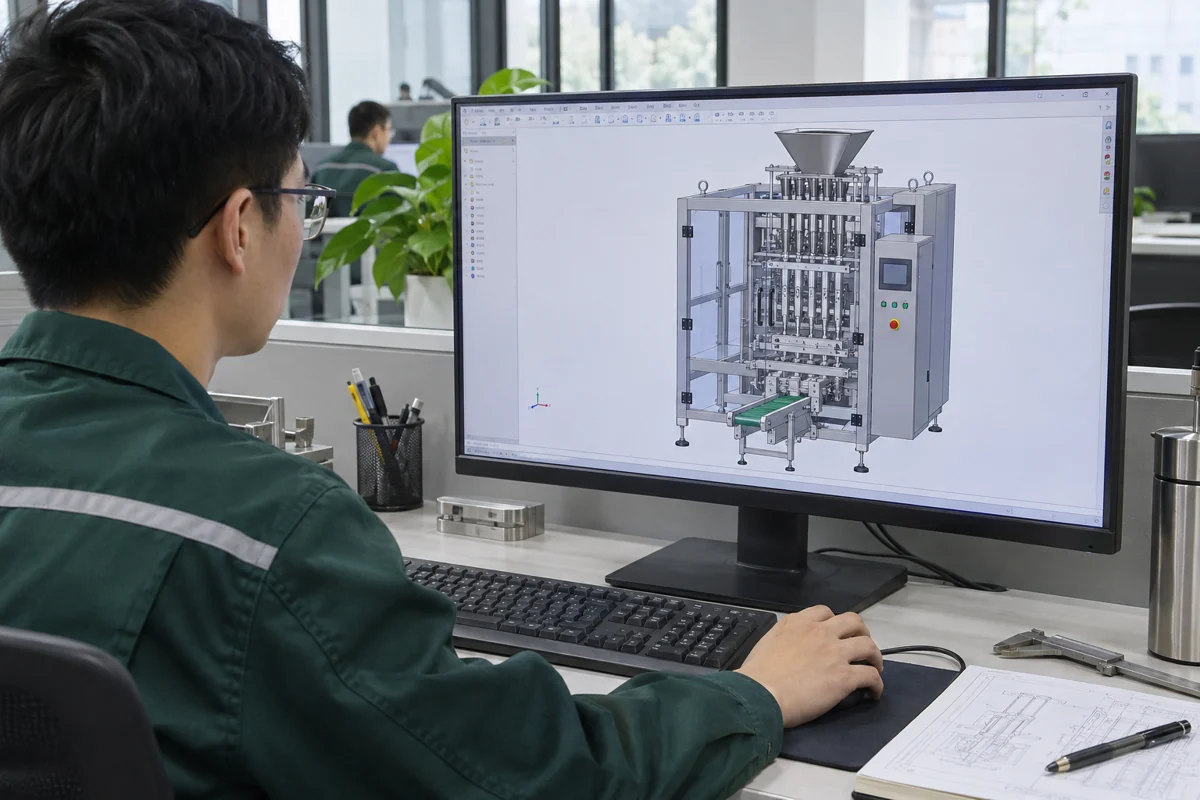
Before finalizing the configuration, we review your product, fill amount, target output, available floor space and downstream packaging plans. The equipment proposal and CAD layout bring these requirements together so your team can assess how the machine will fit into the factory.
Feeding, operator access, film changes, cleaning and maintenance space are considered alongside power, air connections and the discharge direction. This helps you plan how the equipment enters the building, how people work around it and how materials move through production.
If you expect to add inspection, counting, collection or cartoning later, we discuss the interfaces, transfer direction and space needed for those stages. Your current investment can then be planned alongside a practical route for future expansion.
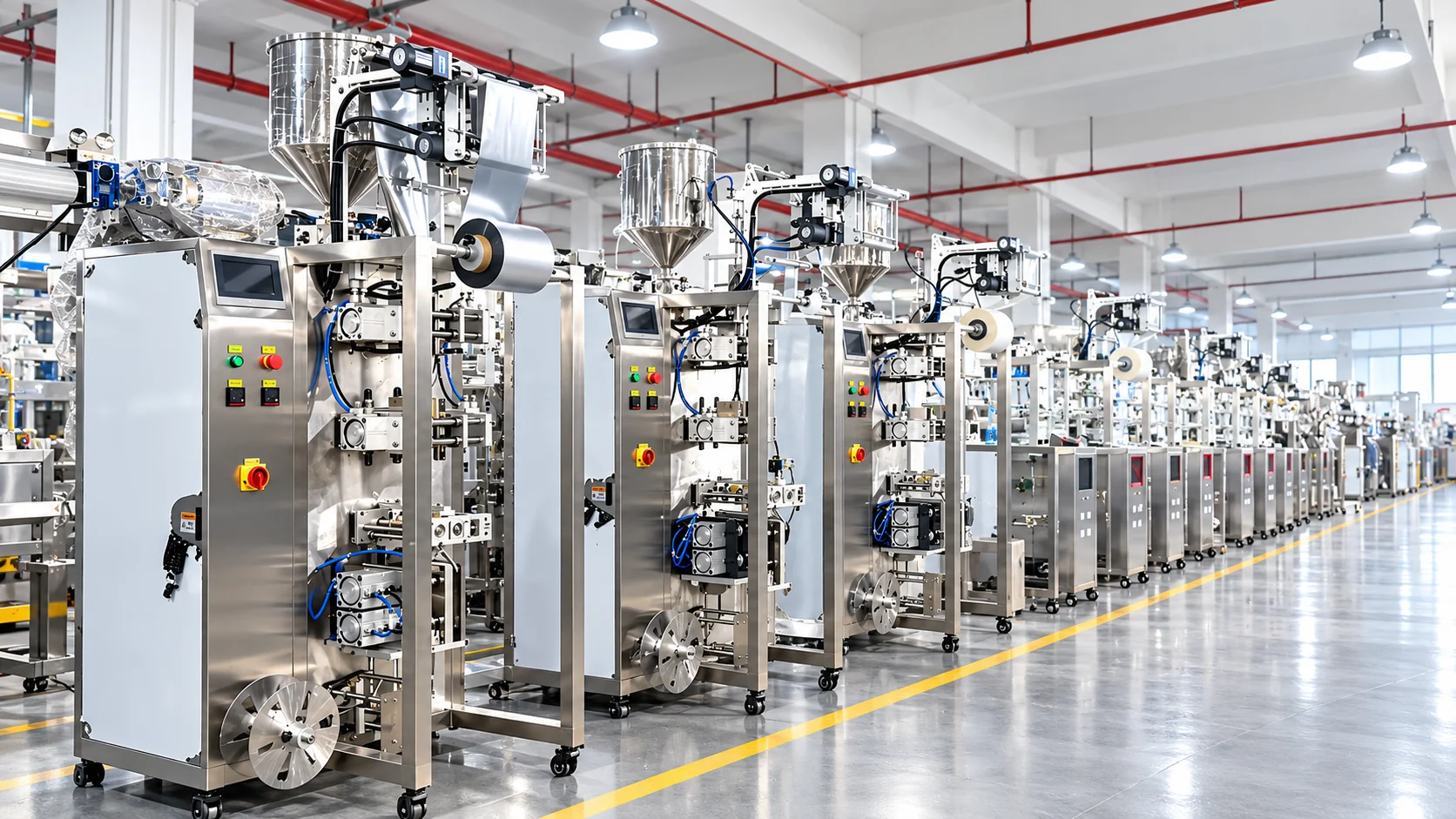
From machining our in-house mechanical components to machine assembly and electrical and pneumatic integration, manufacturing and inspection follow the agreed configuration. Component fit, motion timing and coordinated operation are checked and adjusted at the factory.
After assembly, continuous running and durability-related checks cover operating stability, electrical safety, bearings and seals, pneumatic systems and lubrication sealing. Trials with the project product and film also check fill amount, pack formation and seal quality.
Trial and inspection records give your team a basis for reviewing the machine before shipment. You are welcome to visit COTECH for a Factory Acceptance Test (FAT) and review the agreed configuration, running performance and finished stick packs together.
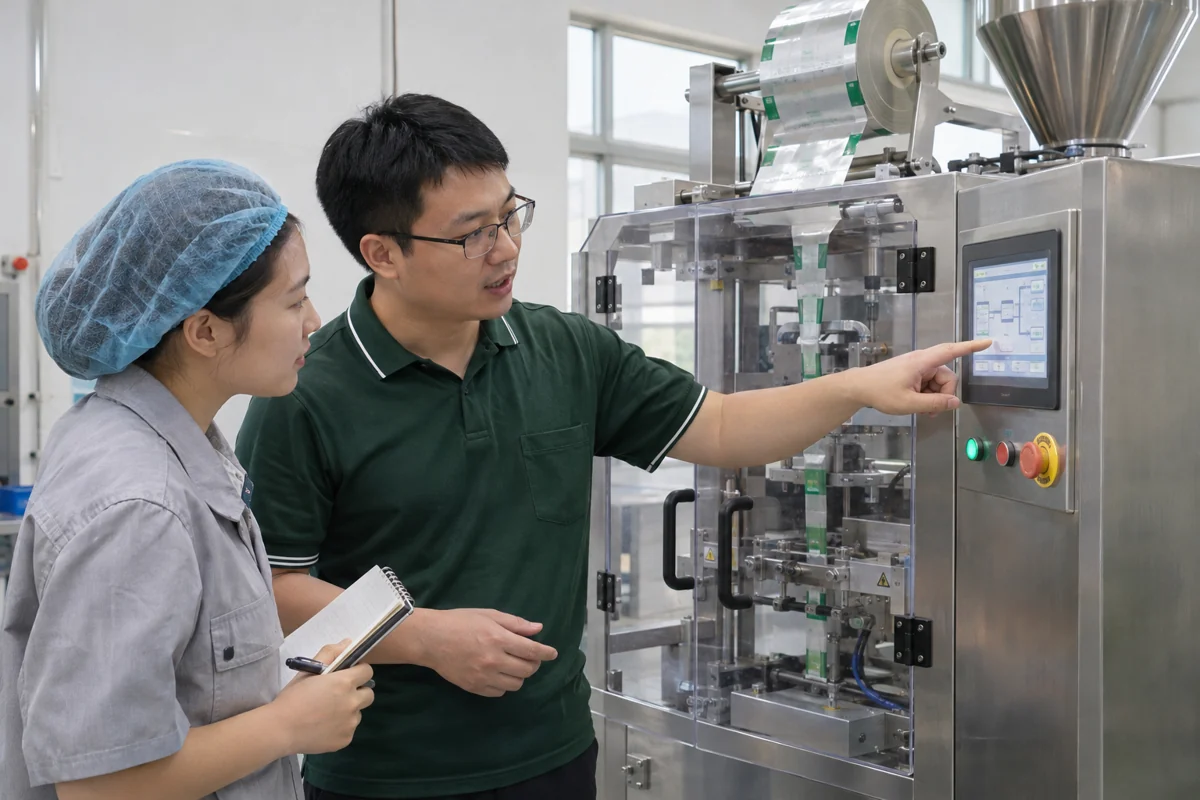
From site preparation before shipment to installation, startup and production adjustments, we provide guidance around the project and can arrange an engineer's visit. Training uses the supplied equipment, your product and packaging material to explain startup and shutdown, parameter adjustments, cleaning, changeovers and daily checks.
Operating instructions, maintenance guidance and a machine-specific wear-part and spare-part list help your team identify what to inspect and replace. Wear parts supplied with the machine are defined in the agreed scope, helping you prepare for routine care and reduce avoidable waiting.
After startup, photos, videos and operating information help our technical team review questions and guide fault checks. When work requires hands-on assistance, on-site service can be arranged around the project and the issue to be resolved.
From choosing the right number of lanes to testing your product and film.
Go to the inquiry formStart with the material, portion size and finished stick. A stick pack machine forms a narrow pack from roll film, fills it with a measured portion, then seals and cuts it. The way your material flows determines how the machine should feed and dose it. The stick dimensions and seal layout guide the forming and sealing tools.
Use your production target to narrow the lane count once the pack and filling method are clear. Include how often you switch products and whether the finished sticks need counting or cartoning. Both can affect the output you can expect over a shift.
If the project is at an early stage, share a material sample, your target grams or milliliters per stick, a sample pack or sketch, and the number of accepted sticks you need per shift.
Consider a single lane for pilot batches, a new brand or modest order volumes. A multi-lane machine packs several sticks at the same time and is worth reviewing when you have recurring orders and can keep all lanes supplied through a run.
Work back from the number of saleable sticks you need per shift. Allow time for setup, film changes and cleaning. The number of lanes that can fit also depends on stick width, the film web and room for the filling and forming tools. Two projects with the same output target can call for different lane counts.
Compare the proposed setups using the same product, pack size, staffing and shift pattern. Include the space needed for film loading, cleaning and downstream handling when you compare layouts.
For a setup that makes one stick per active lane each cycle, multiply the number of active lanes by the cycles per minute. For example, six active lanes at 30 cycles per minute make 180 sticks per minute during steady operation, before rejects. This is a calculation example. Ask for the operating rate demonstrated with your product and film.
For staffing and order planning, ask for accepted sticks per minute over a measured trial, and estimate accepted sticks per shift after replenishment, cleaning and changeovers. A difficult fill, a longer sealing cycle or a slower cartoner can limit the whole line.
Agree on the run length, counting point and reasons for rejection before the test. For a multi-lane machine, review the results by lane as well as the total.
The main cost drivers are lane count, the dosing system, finished pack dimensions and any special forming, sealing or cutting tools. A standalone packer and a line with feeding, inspection and cartoning have different equipment and installation scopes.
Ask for an itemized quote. Check which pack sizes and change parts are included, who supplies the feeder and discharge equipment, and whether sample trials, installation, training and spares are priced in. Compare shipping, site preparation and commissioning costs separately so you can see the total project cost.
Send the same product, dose, pack drawing and output target to each supplier. If you plan additional sizes later, ask what tooling the machine can accept and what a second format would cost.
All three material types can be packed into sticks with suitable equipment. A shared machine is a project decision because the filler, product path and cleaning procedure must suit every material you intend to run.
An auger is a common option for powders. Check bulk density, flow and dust at the seal. For liquids and gels, review viscosity at filling temperature, bubbles and any particles before selecting a pump and nozzle. Volumetric cups can suit free-flowing granules, while a weighing option may be useful when bulk density varies and you need to control fill weight.
List every intended product and the sequence in which you run them. If one machine must handle several products, ask which units must be swapped, what needs cleaning and how long it takes to get the next acceptable stick.
Agree on a target and tolerance for the contents of each stick. For a net-weight specification, subtract the empty film weight and compare the contents with the target. For example, a 10 g target with an agreed ±1% net-weight tolerance gives a range of 9.90 to 10.10 g. Confirm the appropriate tolerance for your product and dose before testing.
Take samples across the run and across each active lane. An overall average can conceal one lane that consistently fills light or heavy. Record the material batch, machine speed and sample count so the results can be compared later.
For liquids specified in milliliters, agree on a volume test or on the density and temperature used to convert weight to volume. Include the measurement method in the acceptance criteria.
Start with the target portion and how the customer will use it. The finished stick needs room for the actual fill volume, product movement and the seal areas. Two powders with the same target weight can take up different amounts of space because their bulk densities differ.
Mark finished width, length, fill direction, seal position and opening point on a sample or drawing. Where you need a tear notch, rounded cut or connected sticks, ask how the forming and cutting tools affect the available dimensions and output.
Keep artwork and variable codes clear of seal and cut areas. Review a filled sample for appearance, opening and dispensing before approving the final drawing or ordering a full production run of printed film.
Choose a film structure around product protection and how the machine will form and seal the stick. Tell the film supplier whether moisture, oxygen, aroma retention or grease resistance matters for your product. Discuss the sealing layer, thickness and working temperature range with the machine team.
For printed rollstock, share the roll width, core size, maximum roll diameter, winding direction, print repeat and registration mark. On a multi-lane machine, include the print layout across the web so the artwork lines up with each cut and seal.
Send a roll sample for testing with your actual fill. Check film tracking, print alignment, opening and seal integrity together. If you switch to a different film, repeat these checks before ordering the production rolls.
Test the actual filled pack using the intended film and operating speed. Start by checking wrinkles, seal width and product trapped in the seal. Fine powder can contaminate the seal area, and liquid can reach it through dripping or splashing during the filling cycle.
Choose the integrity checks your product and distribution conditions need. That may involve an agreed leak test, seal-strength check or a review of how the filled pack holds up during handling. Agree on the method and pass criteria before the trial.
Record seal settings, film batch and sample lane. If the results vary, review temperature, pressure, contact time, film tension and fill timing together so you can identify which condition needs adjustment.
A change can involve several steps. For a new stick width or shape, check whether you need a new forming tube, sealing tool, cutter or print setup. For a different material, check the filling hardware and what parts must be removed or cleaned.
Ask the supplier to separate the tooling swap from the complete changeover. Planning for the whole job means allowing for product removal, cleaning, reassembly, film threading, setting adjustments and checks on the first accepted sticks. Allergen or cleaning procedures can add time depending on what you run.
If you change products often, share your common product transitions. Ask to see one representative changeover during the trial and record the tools, people and time needed to resume accepted production.
A standalone machine can make sense if operators can feed product and handle finished sticks at the required rate. Plan an integrated line when you need repeatable feeding, inspection, grouping, counting or boxing, especially if the output would otherwise queue at a manual step.
Start with where good sticks are counted and how they reach the next machine. Define orientation, sticks per carton, what happens to rejected sticks, and how equipment responds when the next stage pauses. If an existing cartoner will be used, confirm its infeed and sustained rate against the new packer.
Ask for a layout and a clear list of who supplies each transfer and control interface. Agree on testing from filled stick through final collection or carton when it is part of the order.
Ask for a layout and utility list for the proposed configuration. Include the filler, film roll and any feeder, conveyor or cartoner alongside the stick pack machine. A drawing should show where operators load film and material, and where they need space to open guards, clean the machine and remove tooling.
Check the route from receiving to the production room, the available height and the site electrical supply against the agreed machine. Confirm whether the machine and accessories require compressed air and which connections and supplies the site must provide.
Send a simple floor plan with doors, nearby equipment and service points. Review the layout with production and maintenance before committing to a position or scheduling installation.
Use a sample trial to find out how your material feeds, doses and seals in the intended film. Share your product in the form you will run it, a film sample, the target portion and a pack drawing or finished stick. Agree on how much material and film are needed for setup and testing.
A factory acceptance test (FAT) checks the agreed machine against written criteria before shipment. Decide which products and sizes to run, for how long and at what settings. Measure net fill, seal quality, accepted output and the operation of any included inspection or downstream equipment.
Ask for a record of the conditions, sampled results by lane where relevant, and any open issues with an owner and next step. Review these records alongside a live or recorded demonstration.
Give the supplier the actual product or a useful description of its flow, viscosity or particle size, plus target grams or milliliters per stick. Include finished dimensions, a sample or artwork if available, the intended film, the expected number of accepted sticks per shift and your delivery destination.
State whether you need a standalone machine or feeding and downstream equipment. Include your available space, utilities, installation target, operator training and any documents required for the destination or your quality team. Ask the supplier to explain which documents apply to the proposed configuration.
If the brief is still taking shape, start with the material, portion and expected demand. A useful proposal should identify the assumed pack size and speed, what is included and what the sample trial still needs to confirm.
Share your product, fill amount and target output.