
Packaging Machines for Milk & Dairy Portions
Discuss portion packaging for milk powders, creamers and dairy ingredients. Particle form, fat content, moisture and hygiene requirements guide the filling and finished-pack assessment.
Contact usPackaging machines for milk, derivatives & substitutes
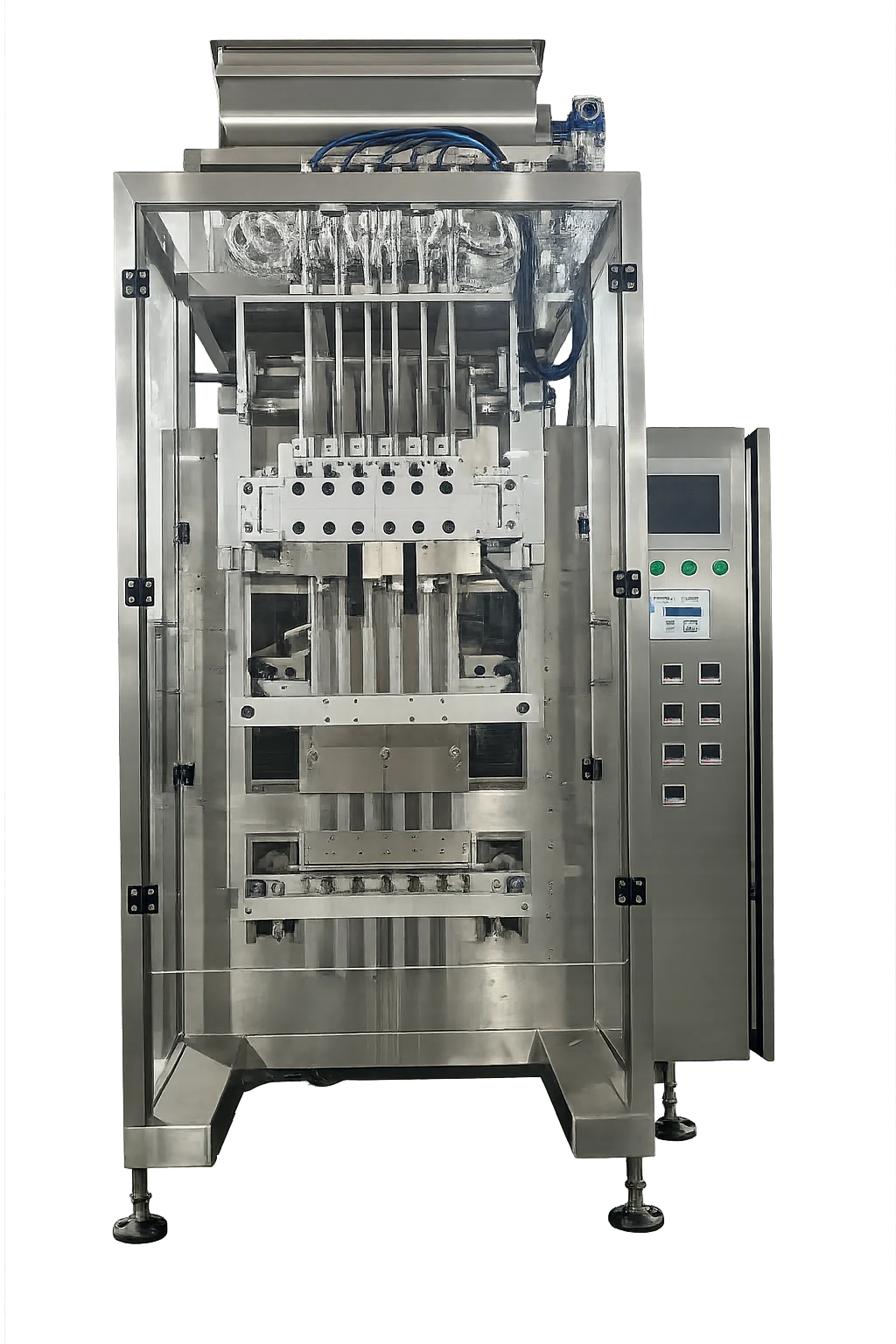
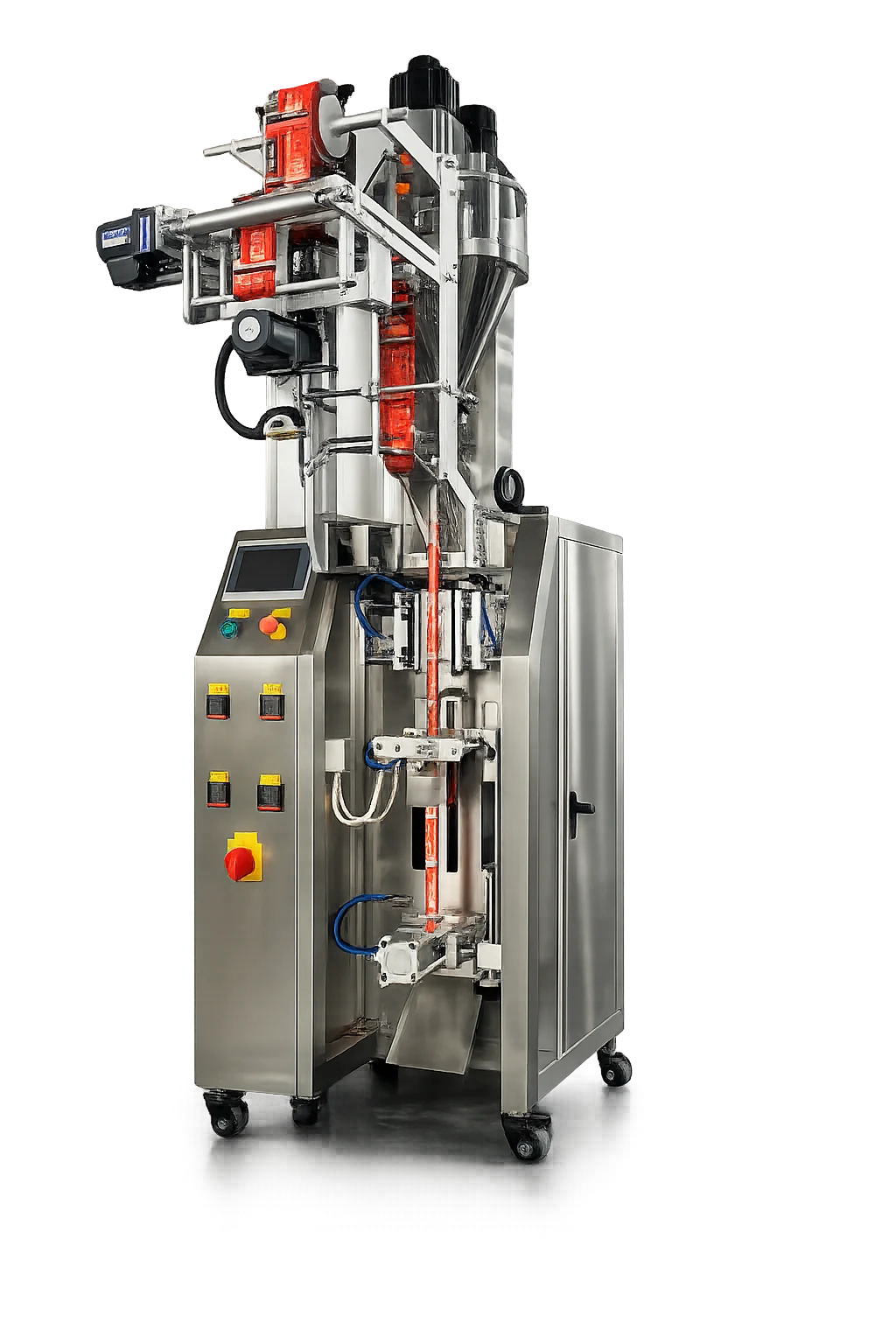

Milk powder, coffee creamer, granulated dairy ingredients and grated cheese have different handling and preservation requirements. Share the actual product form, fat content, particle size and tendency to adhere or clump. A photograph of a similar retail pack cannot establish the right feeder or dosing system.
Separate dry-powder filling from fresh or liquid dairy processing. For a moist ingredient or temperature-sensitive formulation, provide the required process conditions and preservation method for a dedicated technical assessment. The market references below illustrate pack presentation; they do not establish aseptic filling or a particular shelf life.
Review product-contact components, retained-product access and cleaning procedures with the production and quality teams. Factory testing should use representative material and production-intent film, with agreed portion, seal and handling criteria. Include recipe changes, destination utilities and any cold-chain responsibilities in the project brief.
Specific types of Milk, Derivatives & Substitutes
Commercial dairy sachets and creamer sticks illustrate pack choices. Dry and fresh ingredients require separate process reviews.
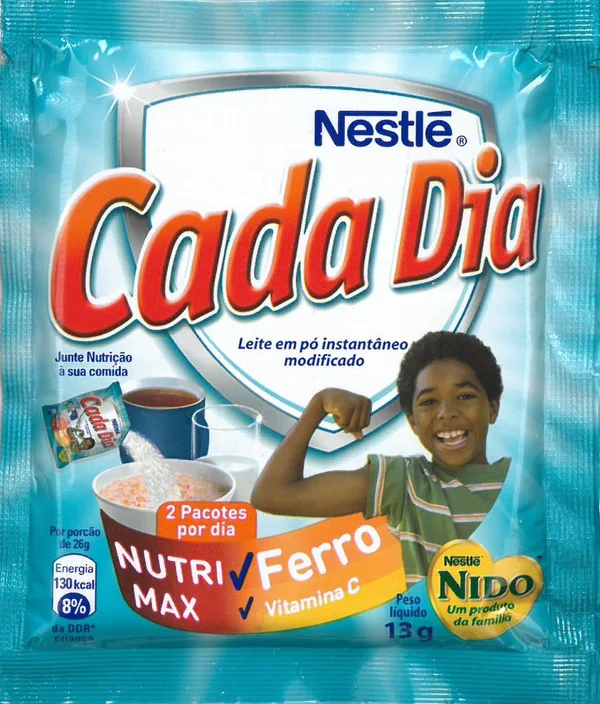
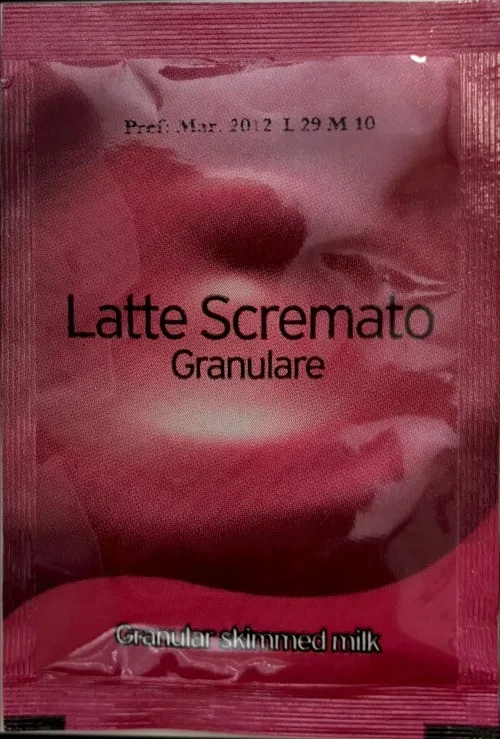
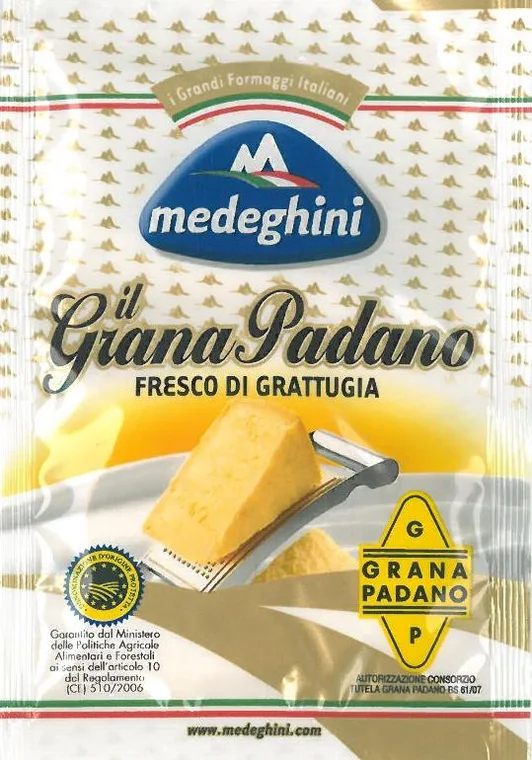

Commercial packaging references illustrate pack presentations, not a COTECH customer list or endorsement. Final product handling, forming tools and film are confirmed through an application review.
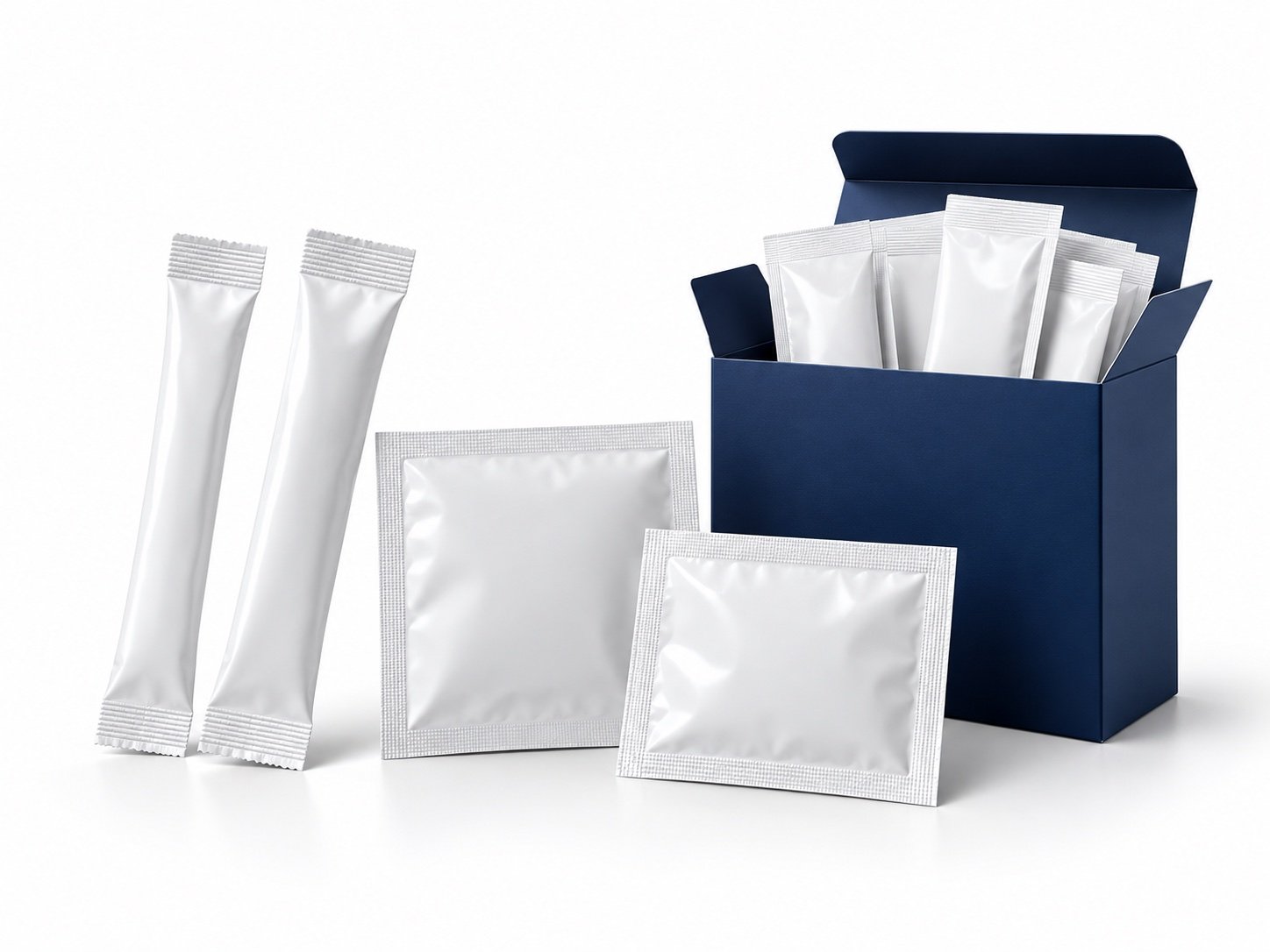
Which Formats Are Suitable for Packaging Milk, Derivatives & Substitutes?
Compare a slim stick with a wider sachet around the serving size, mixing action and opening experience. A powder that settles or adheres during handling needs a relevant dosing trial. Agree the finished dimensions and any grouping into cartons before confirming the machine and downstream arrangement.
For milk powders and creamers, compare a slim stick with a wider sachet using the serving size, pouring action and artwork needs. Review bulk density, dust and settling with the proposed dosing setup. Grated or moist ingredients also need a separate check of particle passage, adhesion and temperature conditions.
If portions will be grouped for hospitality supply or retail cartons, specify the count, orientation and handling after sealing. Record cleaning and recipe-change steps in the acceptance brief. A dry-material demonstration should not be used as evidence for an untested fresh-dairy process.
Compare stick packs and sachets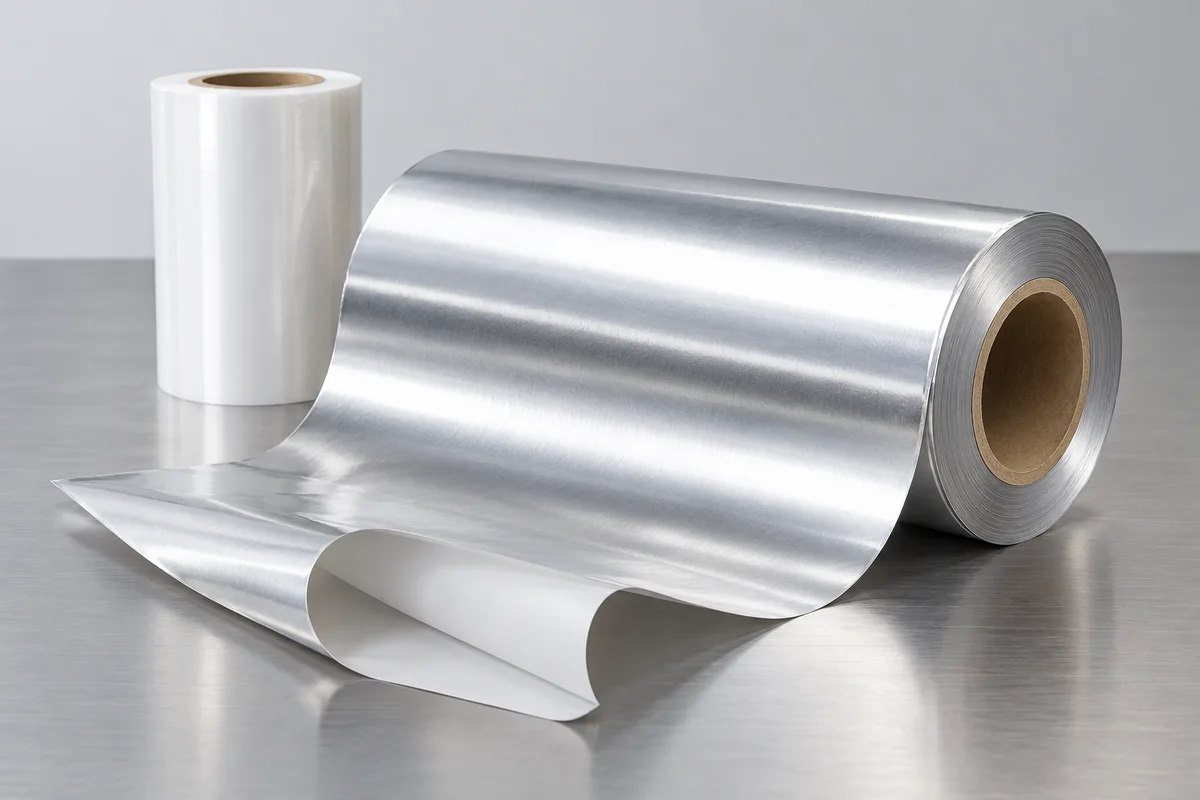
Which Laminates Are Suitable for Packaging Milk, Derivatives & Substitutes?
Ask the product owner and film supplier to define moisture, oxygen and light protection as relevant to the recipe. Review sealant compatibility, coding and seal integrity with the proposed laminate. No general material list can confirm the stability of every milk or plant-based formulation; use product-specific package evidence.
Fat, moisture and product sensitivity affect the required contact layer and barrier. The dairy producer and film supplier should specify the storage protection and package tests. Submit the proposed PET/PE, foil-barrier or other construction for assessment, with evidence relevant to the actual formulation and distribution conditions.
Test the intended film for tracking, registration, sealing and opening. Check for retained product near the seal and assess the package after collection. Fresh and dry products can need different acceptance programs; the machine trial must be considered alongside the buyer's preservation and hygiene requirements.
Review your film specificationRelated Stories
 PROCESS GUIDEHow product behavior shapes the filling system
Get Your Packaging Solution
Tell us your product and packaging requirement. Our team will recommend the right stick pack or sachet packing machine for you.