
Packaging Machines for Sauces & Liquid Condiments
COTECH can review sauce and condiment applications for stick pack or sachet equipment. Share viscosity conditions, particles, temperature and portion so the filling path and seals can be assessed.
Contact usPackaging machines for sauces
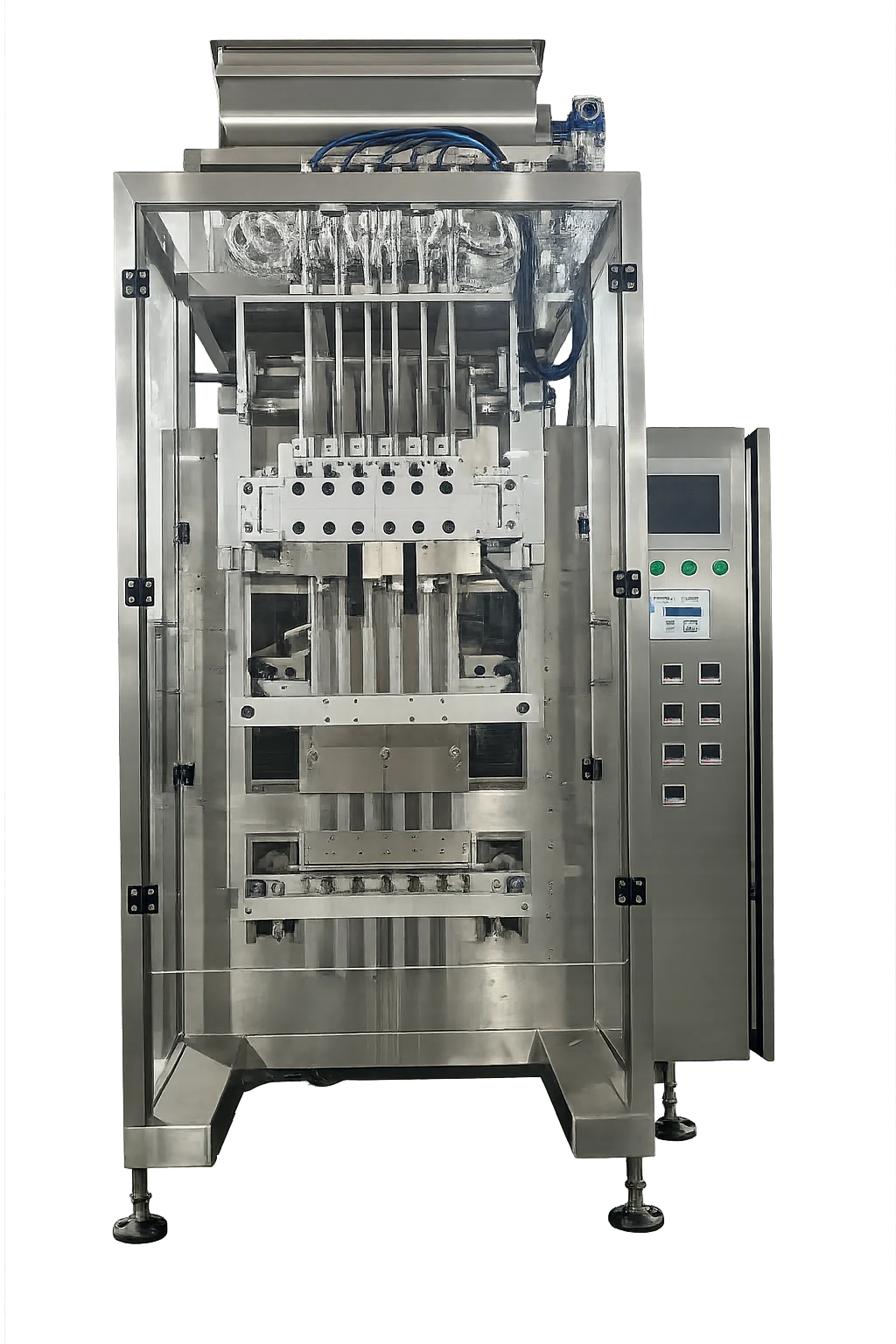
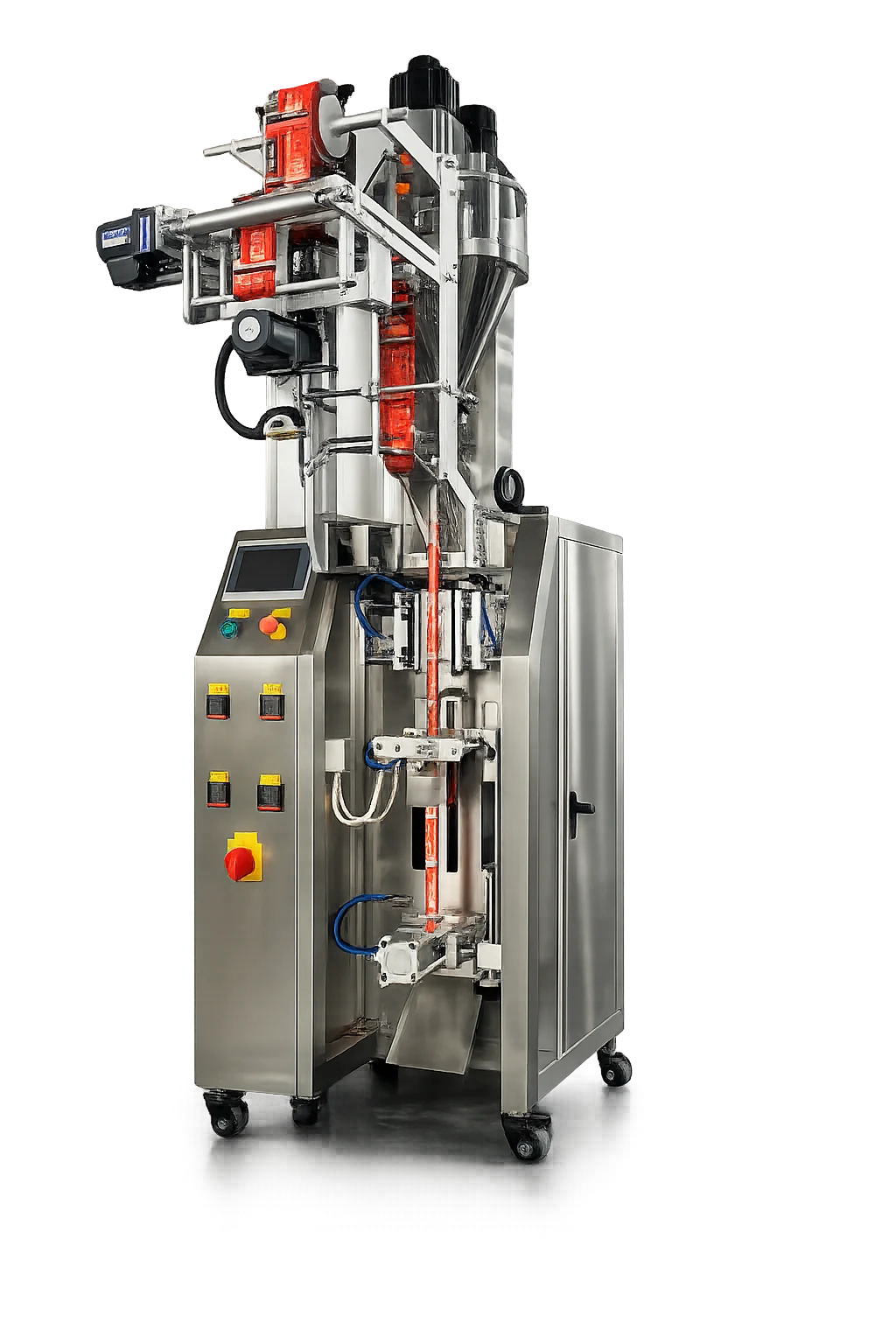

Ketchup, honey, dressings and other liquid condiments differ in viscosity, flow and how they stop at the nozzle. Provide the product temperature and any measurement conditions alongside a viscosity value. For sauces containing particles, describe their size and handling requirements.
Review the complete product path, from the supply container to the final nozzle. Supply consistency, entrained air and changes after a pause can affect the portion and package condition. A pump or piston should be assessed as part of the actual proposed configuration rather than chosen only from the product category.
During a relevant trial, observe dripping, stringing and contamination around the seal area as well as dose measurements. Include cleaning access and removal of retained product in the review. If hot filling or another controlled process is required, define its scope and responsibilities explicitly before accepting an equipment proposal.
Specific types of Sauces
Familiar condiment brands show finished sachets and sticks. Use them to describe the portion and opening you want to develop.
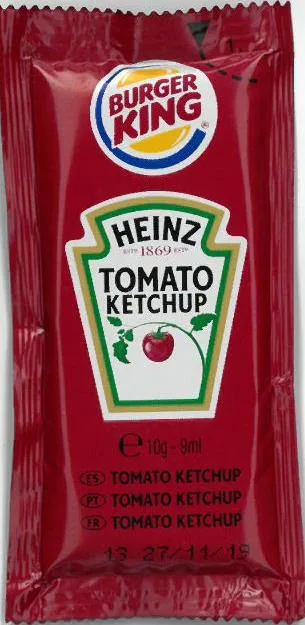
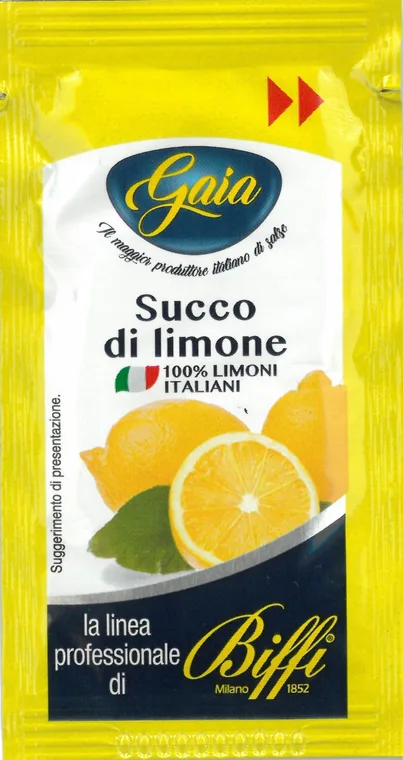
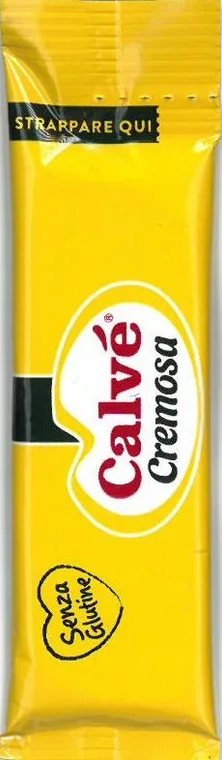
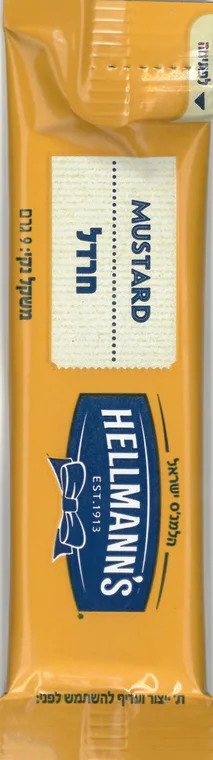
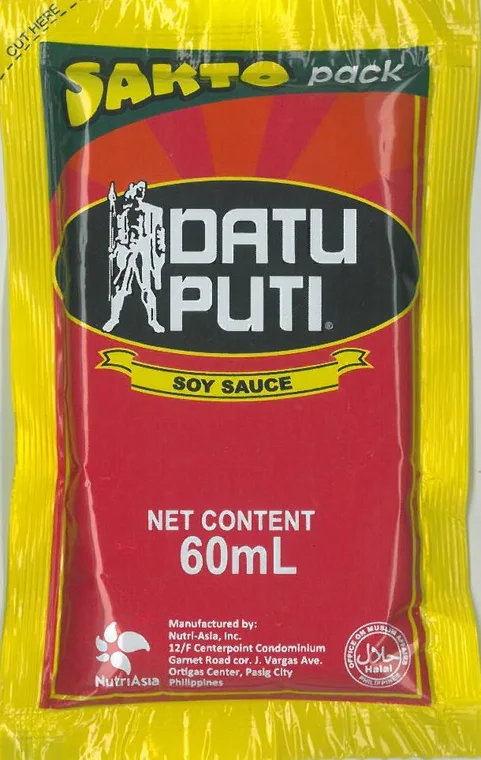
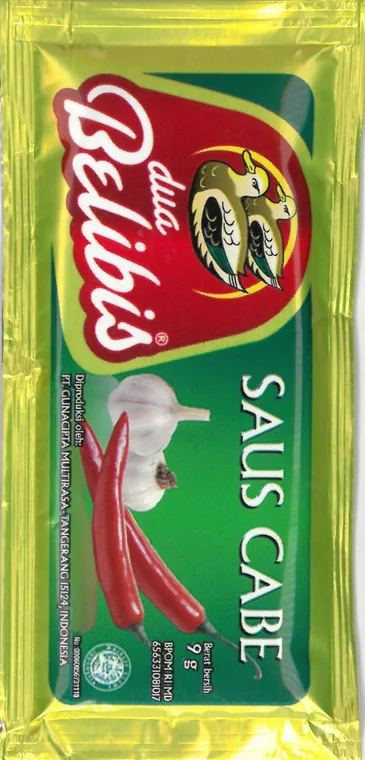
Commercial packaging references illustrate pack presentations, not a COTECH customer list or endorsement. Final product handling, forming tools and film are confirmed through an application review.

Which Formats Are Suitable for Packaging Sauces?
Compare stick packs and sachets around the condiment portion, opening and dispensing action. A narrower stick and a wider sachet can require different filling timing and seal geometry. Verify the finished package with the actual sauce and film, including normal collection and handling after filling.
The portion, pouring or squeezing action and required opening help determine stick or sachet geometry. Check the widest particles, nozzle passage and shutoff against that geometry. Viscosity must be considered at the expected filling temperature, including changes after a normal production pause.
Define the pack count and handling method for food-service cartons or retail multipacks. During factory testing, inspect dose, dripping, stringing and seal contamination as well as finished-pack leaks. Include collection and agreed restart conditions so the result reflects the purchased process rather than an isolated fill.
Compare stick packs and sachets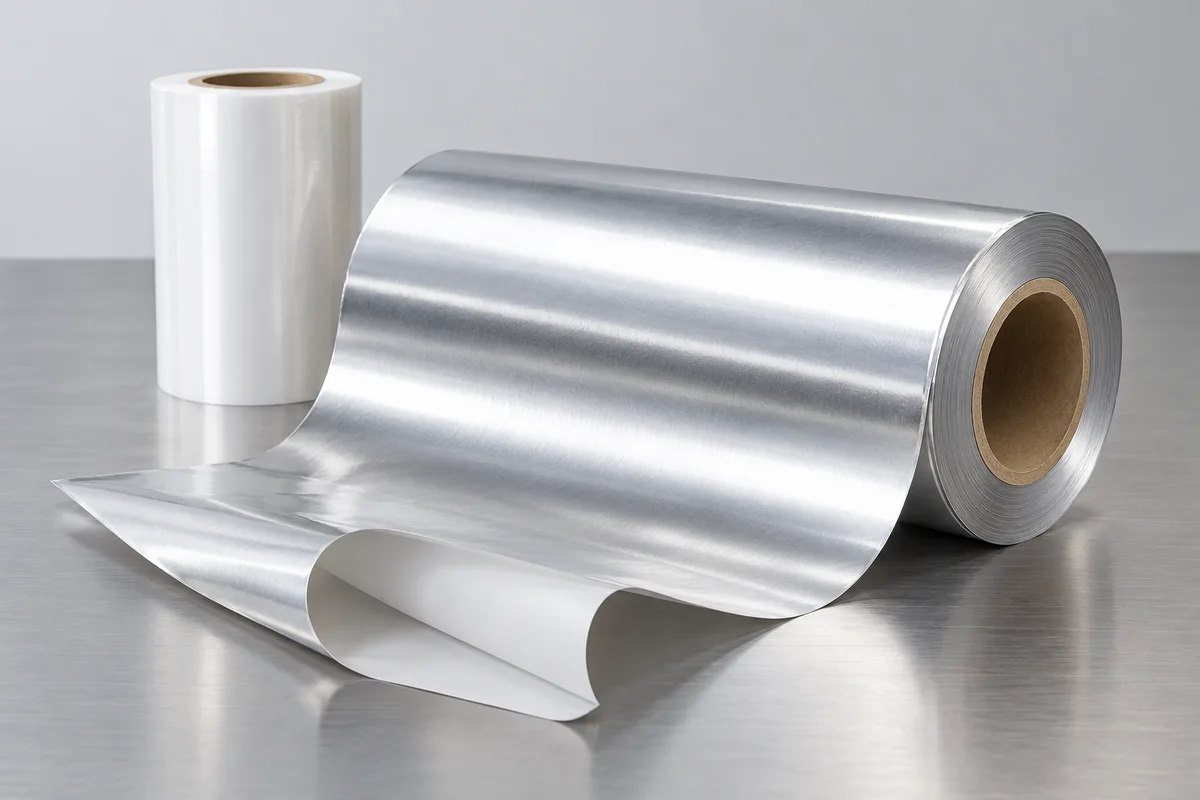
Which Laminates Are Suitable for Packaging Sauces?
The film supplier should review the recipe, contact conditions, barrier and intended storage requirements. Agree appropriate package tests and acceptable seal condition before the trial. Correct fill weight alone does not establish leak resistance or shelf life; product compatibility and package integrity need their own evidence.
The sauce recipe can involve oils, acids, salt, flavors and particles that affect the contact-layer and package review. Ask the product and film suppliers to define a suitable construction and test program. A PET/PE or foil-barrier laminate is a candidate for assessment, not a universal recommendation for every condiment.
Provide the full film specification and intended temperature conditions before sealing trials. Review tracking, seal strength, opening and leakage after handling. Hot filling, gas flushing or another controlled process must have an agreed technical scope; an attractive commercial reference pack does not establish those functions.
Review your film specificationRelated Stories
 FACTORY ACCEPTANCEPackaging Machine Factory Acceptance Test Checklist: From Product Trials to Shipment Readiness
Get Your Packaging Solution
Tell us your product and packaging requirement. Our team will recommend the right stick pack or sachet packing machine for you.