Packaging for Food-Service Items: Application Review
Individually wrapped food-service items introduce feeding, orientation and clearance questions beyond conventional powder or liquid filling. Share the item and desired finished wrapper for a feasibility review.
Contact usPackaging machines for food objects
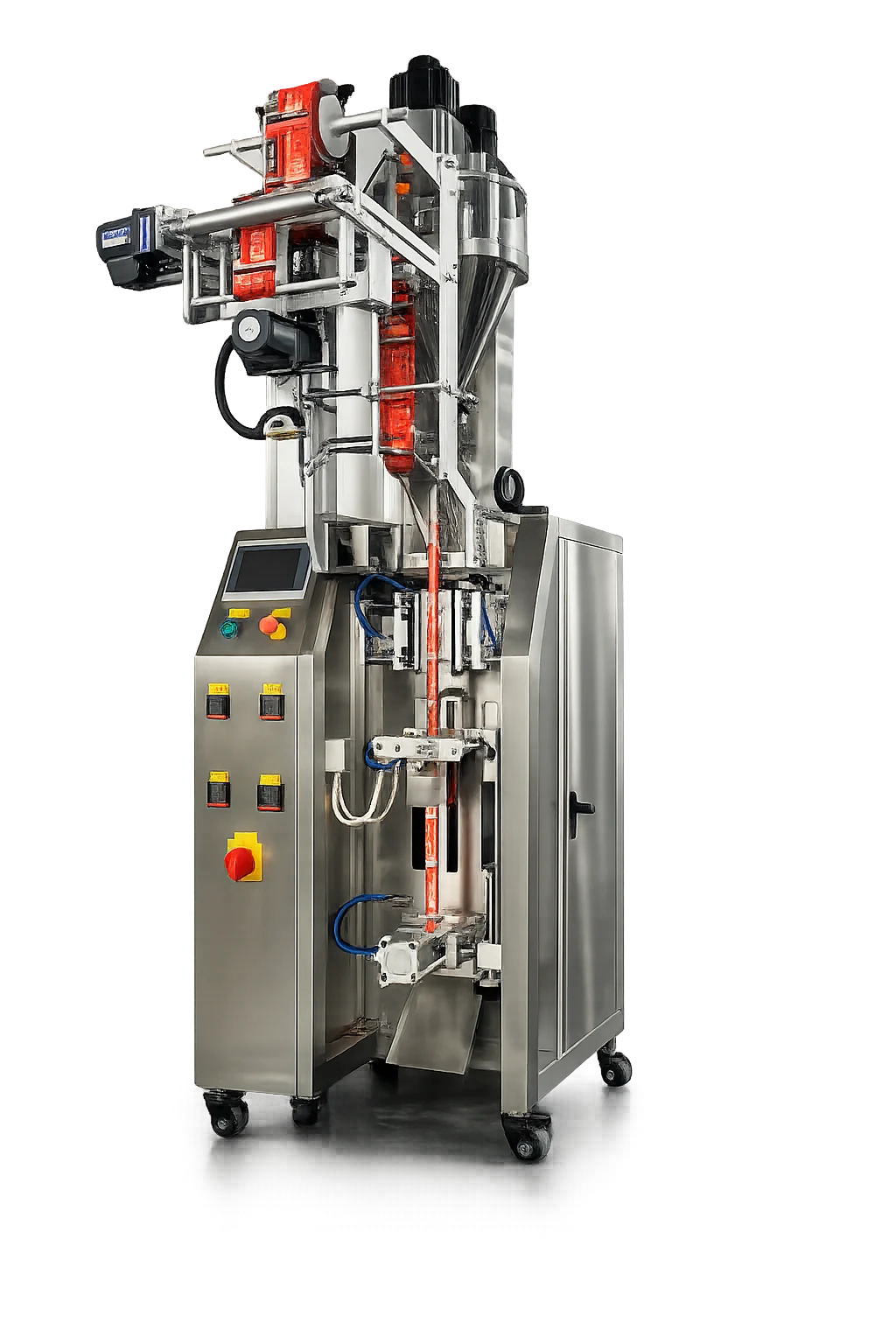
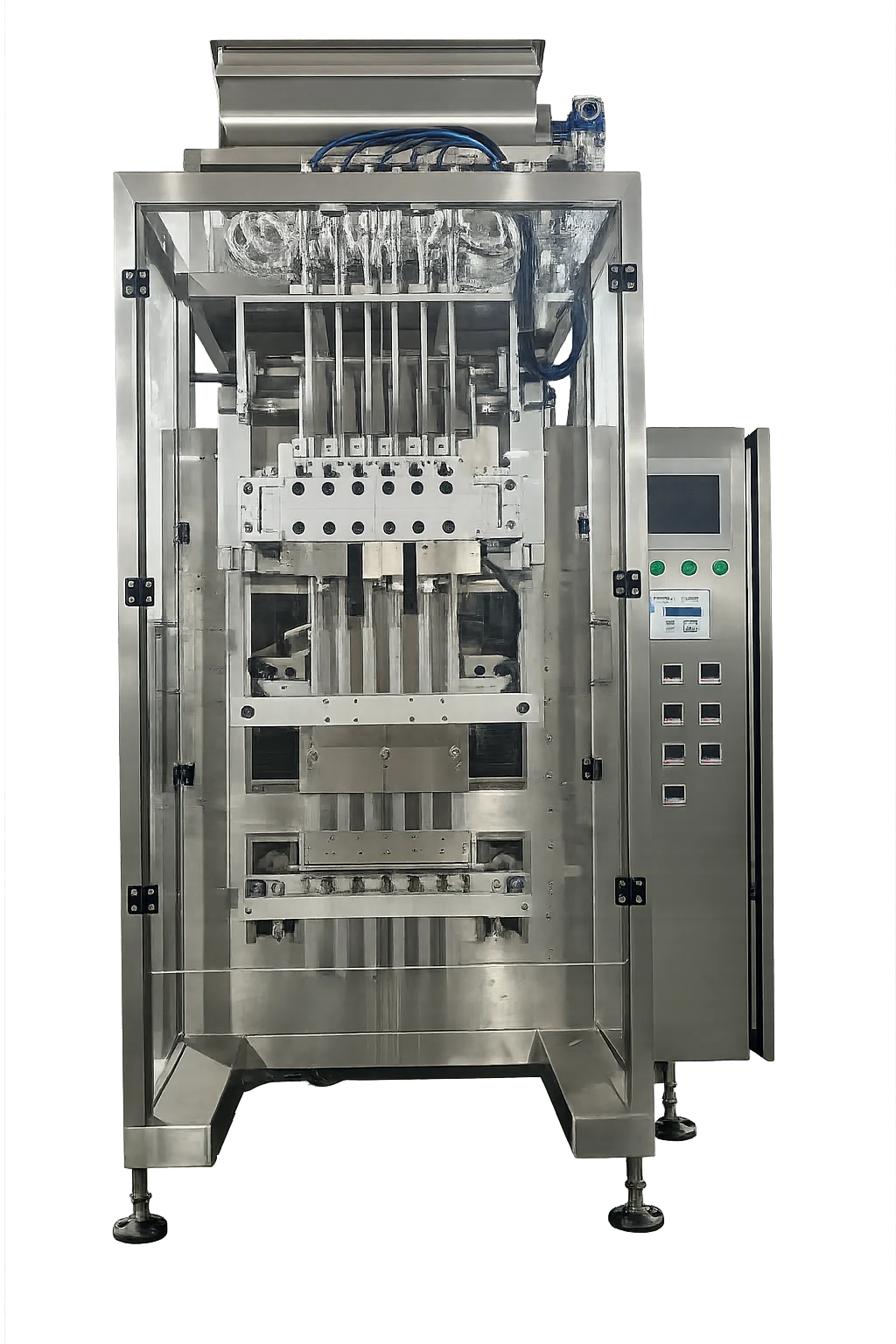

Start with the item. Define how it enters the wrapper.
Discuss your food-object projectFood-service objects include spoons, cutlery, toothpicks and straws supplied in individual wrappers or defined sets. Their dimensions, rigidity, shape and surface condition determine how they might be separated, oriented and enclosed. They should not be treated as interchangeable with flowing powders or granules.
Provide representative items, photographs and dimensional limits, then define whether the portion is one item or an assembled set. Review a suitable feeding and wrapping principle before selecting an equipment family. Dedicated handling or another machine type may be required; the linked COTECH families are enquiry starting points, not proof of object-feeding capability.
The assessment should address missing or doubled items, sharp edges, wrapper damage and item placement near seals. Define material-contact and hygiene requirements with the product owner. Agree the remaining feasibility work and a relevant acceptance trial before treating a reference wrapper as a confirmed production solution.
Specific types of Food Objects
Actual food-service wrappers show the presentation to discuss. Item feeding, orientation and wrapper feasibility require a separate review.
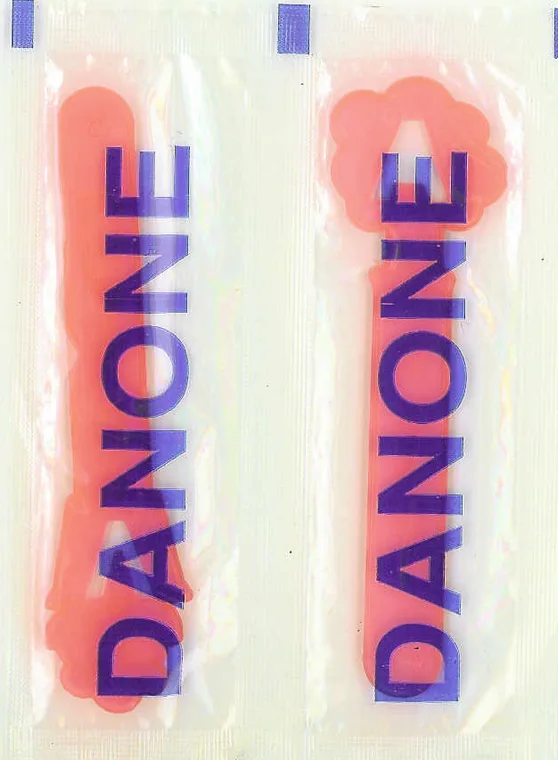
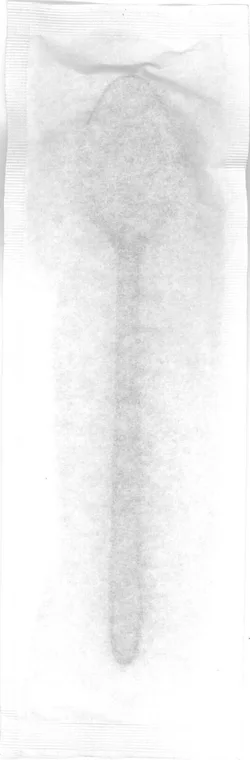



Commercial packaging references illustrate pack presentations, not a COTECH customer list or endorsement. Final product handling, forming tools and film are confirmed through an application review.

Which Formats Are Suitable for Packaging Food Objects?
Choose the wrapper after defining item length, width, thickness and the number of pieces in the set. A spoon wrapper, a cutlery set and a narrow straw sleeve create different forming and loading requirements. Confirm a suitable packaging principle before selecting dimensions or promising output.
Review how the item will be separated, oriented and released into the wrapping area without entering the seals. Sharp edges, nested spoons and flexible straws can create different handling issues. A standard powder or liquid filling demonstration cannot establish suitability for any of these feeding tasks.
For counted bundles or food-service cartons, specify the number of accepted wrapped items and the collection arrangement. Test missing items, double feeds and damaged wrappers using agreed procedures. Define the equipment boundary and responsibility for any dedicated item feeder before accepting a configuration.
Compare stick packs and sachets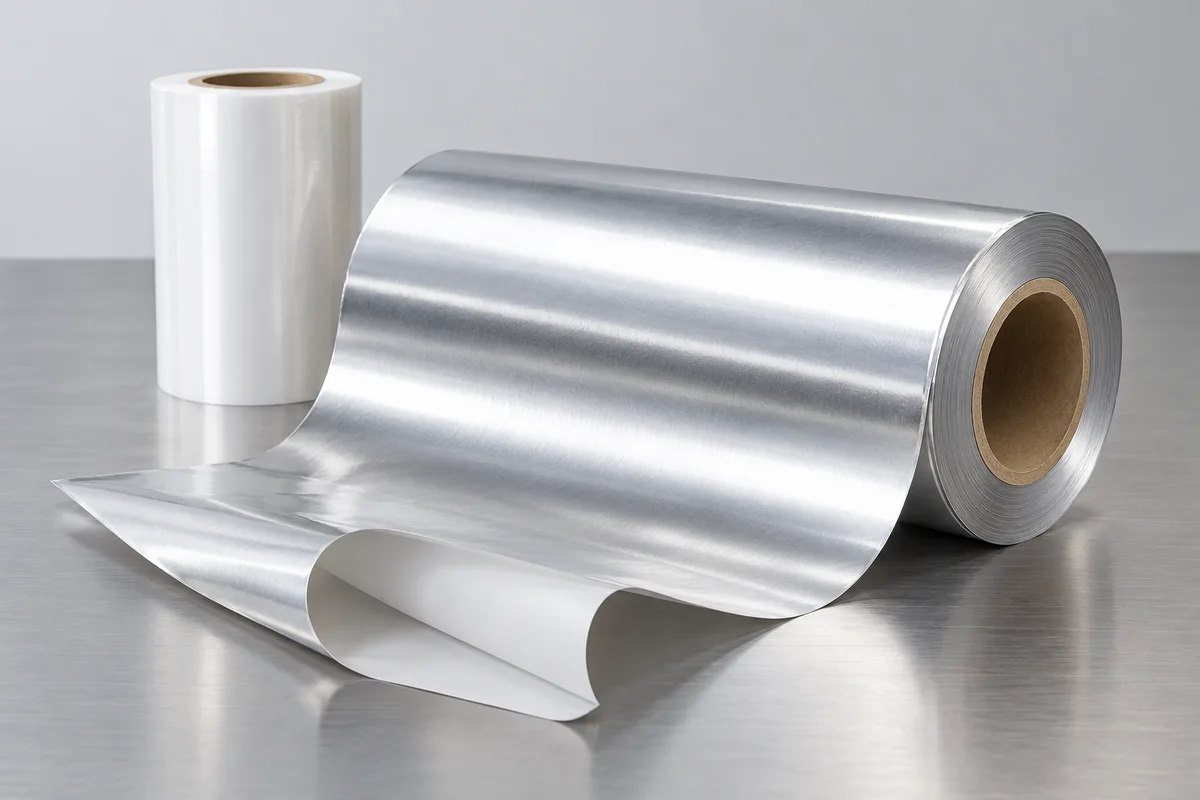
Which Laminates Are Suitable for Packaging Food Objects?
Review puncture resistance, sealability, print and opening with the wrapper supplier. The construction must suit the actual item, expected handling and any relevant material-contact requirements. Clear, printed or paper-based appearance is not sufficient evidence that two wrappers perform the same way.
Provide film or paper-laminate structure, thickness, roll dimensions and artwork registration details alongside samples of the item. Identify sharp corners and the intended opening method. Material selection and forming clearance should be reviewed together so the wrapper protects the item without interfering with feeding and sealing.
During a relevant trial, inspect item placement, wrapper puncture, open seals and handling damage. Include the agreed collection and transport steps. A successful test with a different spoon or straw does not establish performance for an undefined range of food-service objects.
Review your film specificationRelated Stories
 FACTORY ACCEPTANCEPackaging Machine Factory Acceptance Test Checklist: From Product Trials to Shipment Readiness
Get Your Packaging Solution
Tell us your product and packaging requirement. Our team will recommend the right stick pack or sachet packing machine for you.