
Packaging Machines for Sugar & Sweeteners
Review individual portions of granulated sugar, powdered sweeteners and related blends. The particle form and target serving guide the dosing and pack-format assessment.
Contact usPackaging machines for sugar & sweeteners
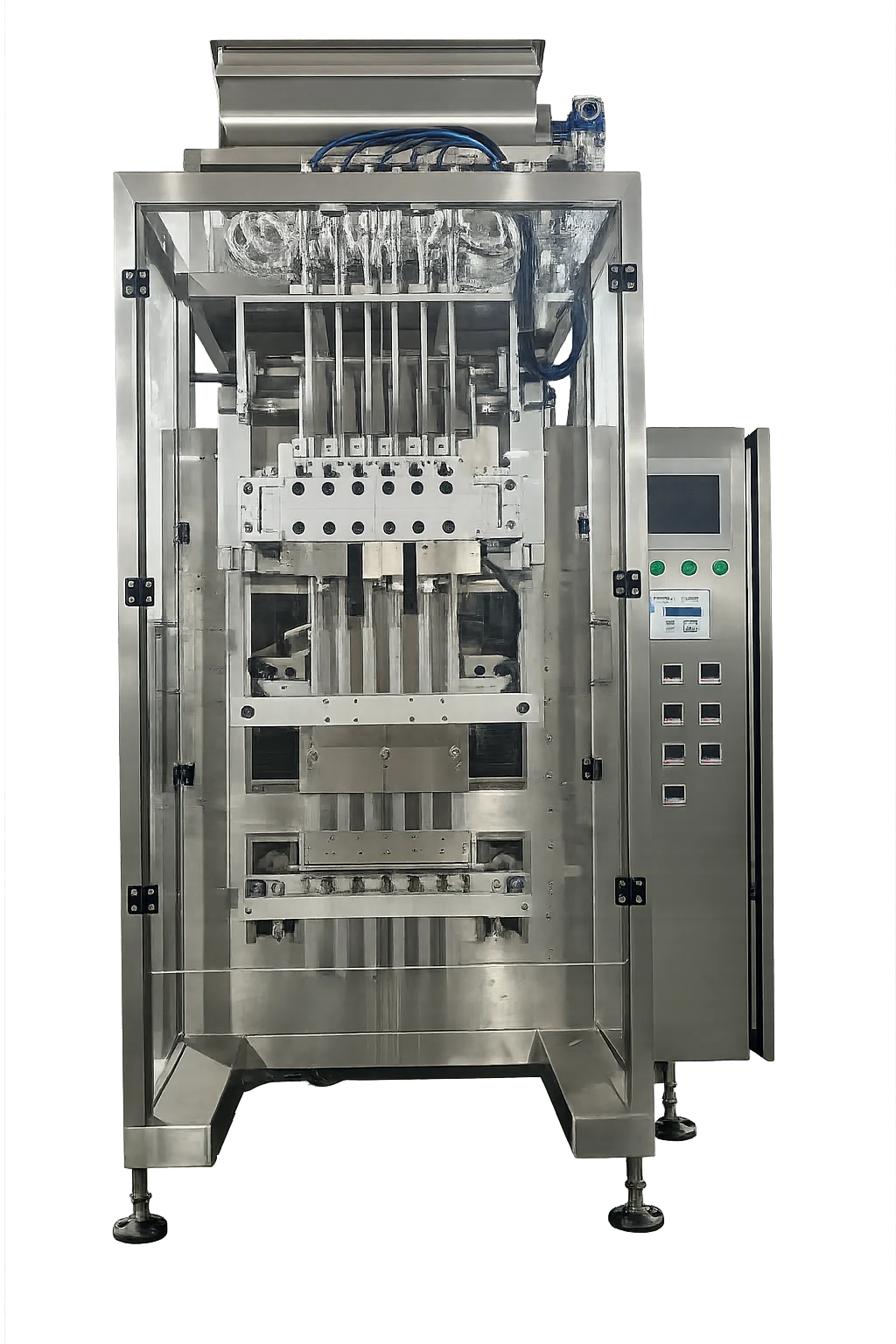
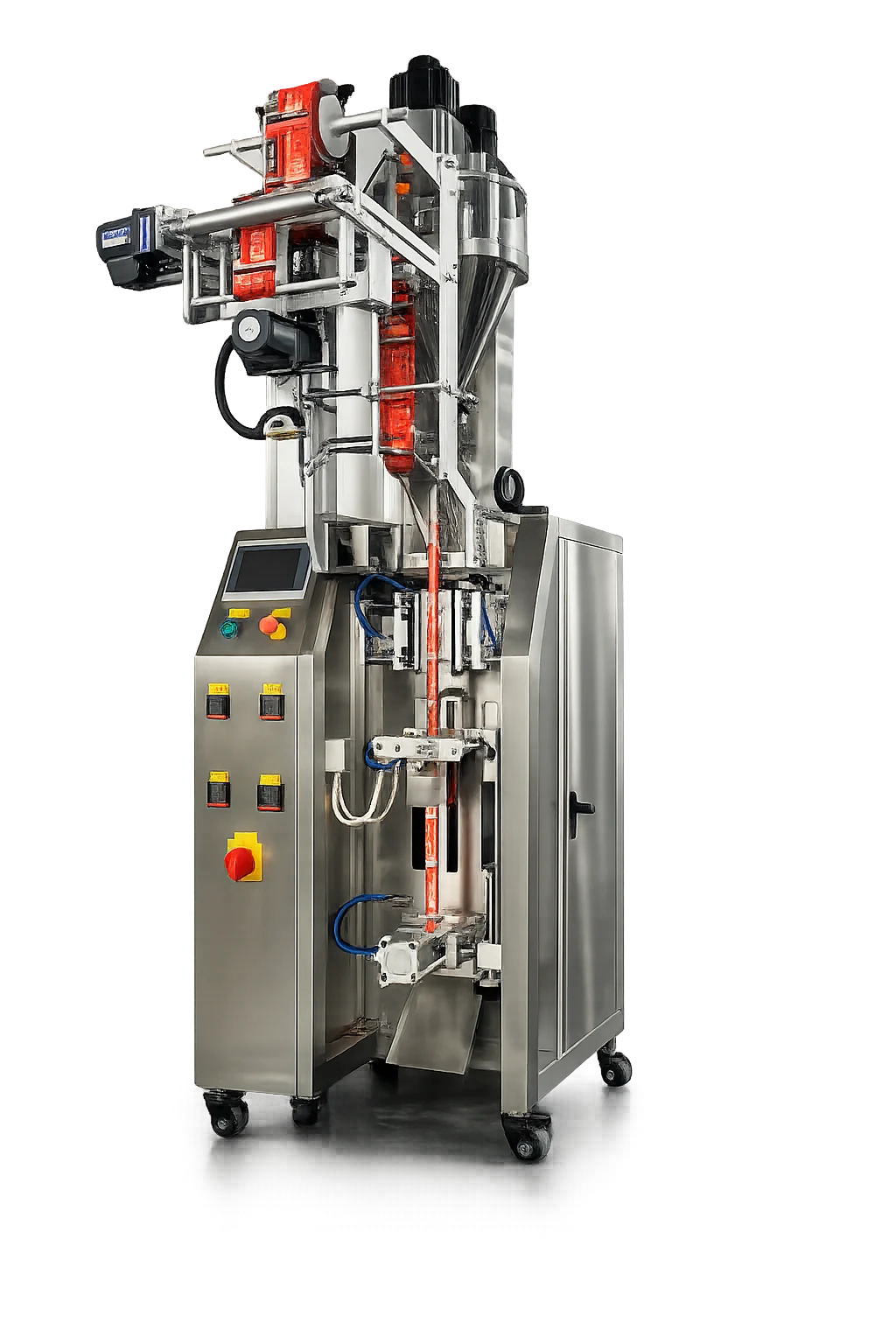
Match the serving to the way the product flows.
Discuss your sugar and sweetener projectWhite sugar, brown sugar and fine sweetener blends can differ in crystal size, moisture and bulk density. Some flow readily, while others can compact, adhere or form lumps. Describe the actual material rather than assuming every sweetener behaves like dry granulated sugar.
Define the nominal portion, acceptable variation and how the pack will be opened and poured. Small servings make a clear dosing and sampling method particularly useful. If different recipes share one machine, identify the changes needed for the feeder, contact parts, settings and film.
Use representative material for a product trial and inspect both the portion and the seals. Include start, steady running and replenishment conditions in the acceptance discussion. Check the required print registration, collection and carton count so the proposed equipment fits the intended supply format.
Specific types of Sugar & Sweeteners
Commercial sugar sticks and sweetener sachets show familiar single-serving formats for hospitality and retail supply.
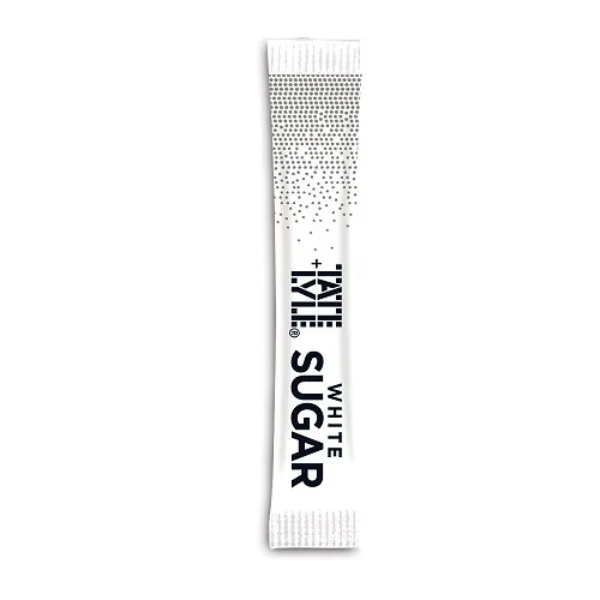
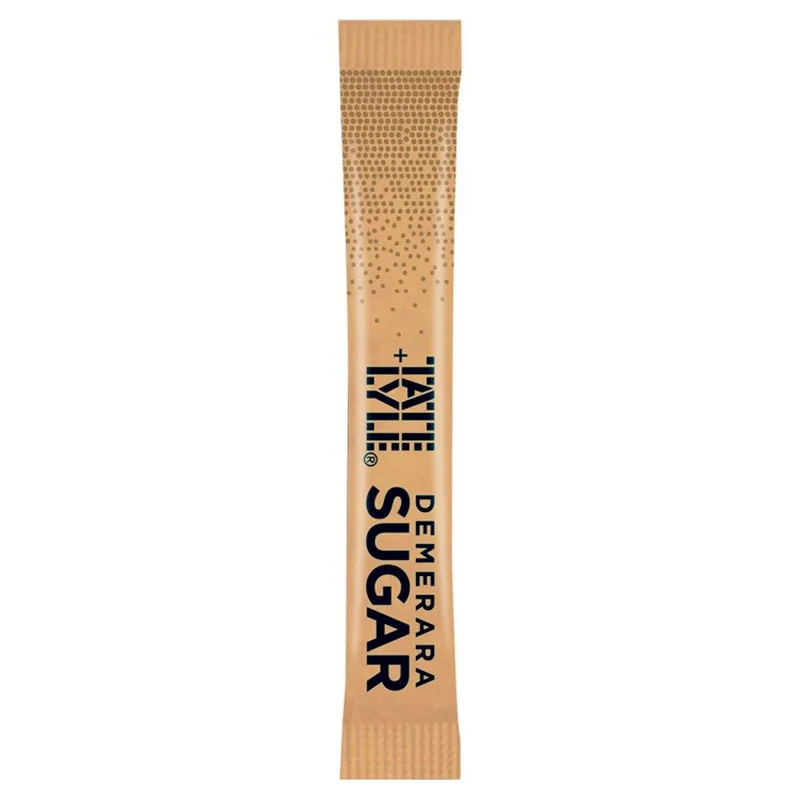
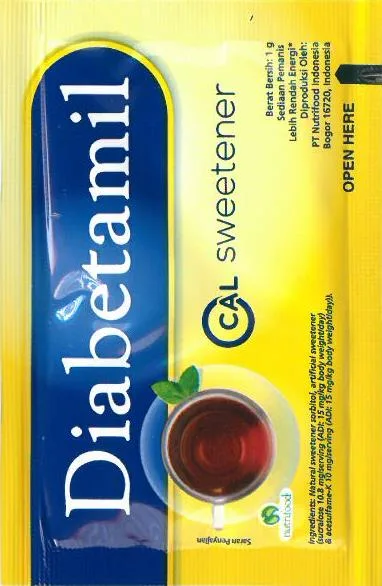
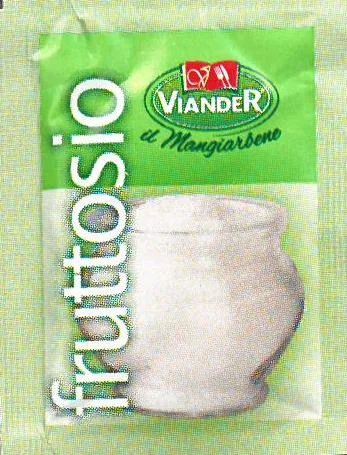
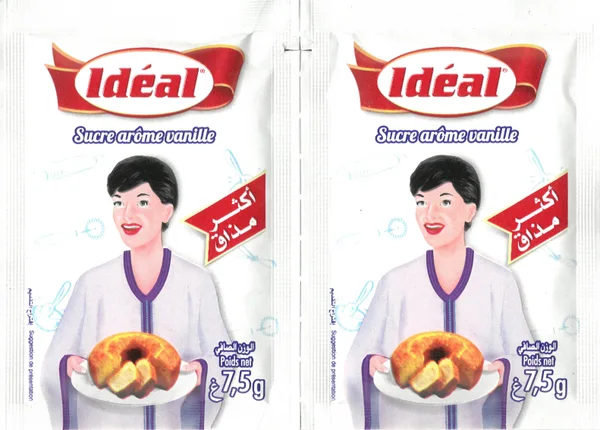
Commercial packaging references illustrate pack presentations, not a COTECH customer list or endorsement. Final product handling, forming tools and film are confirmed through an application review.
Which Formats Are Suitable for Packaging Sugar & Sweeteners?
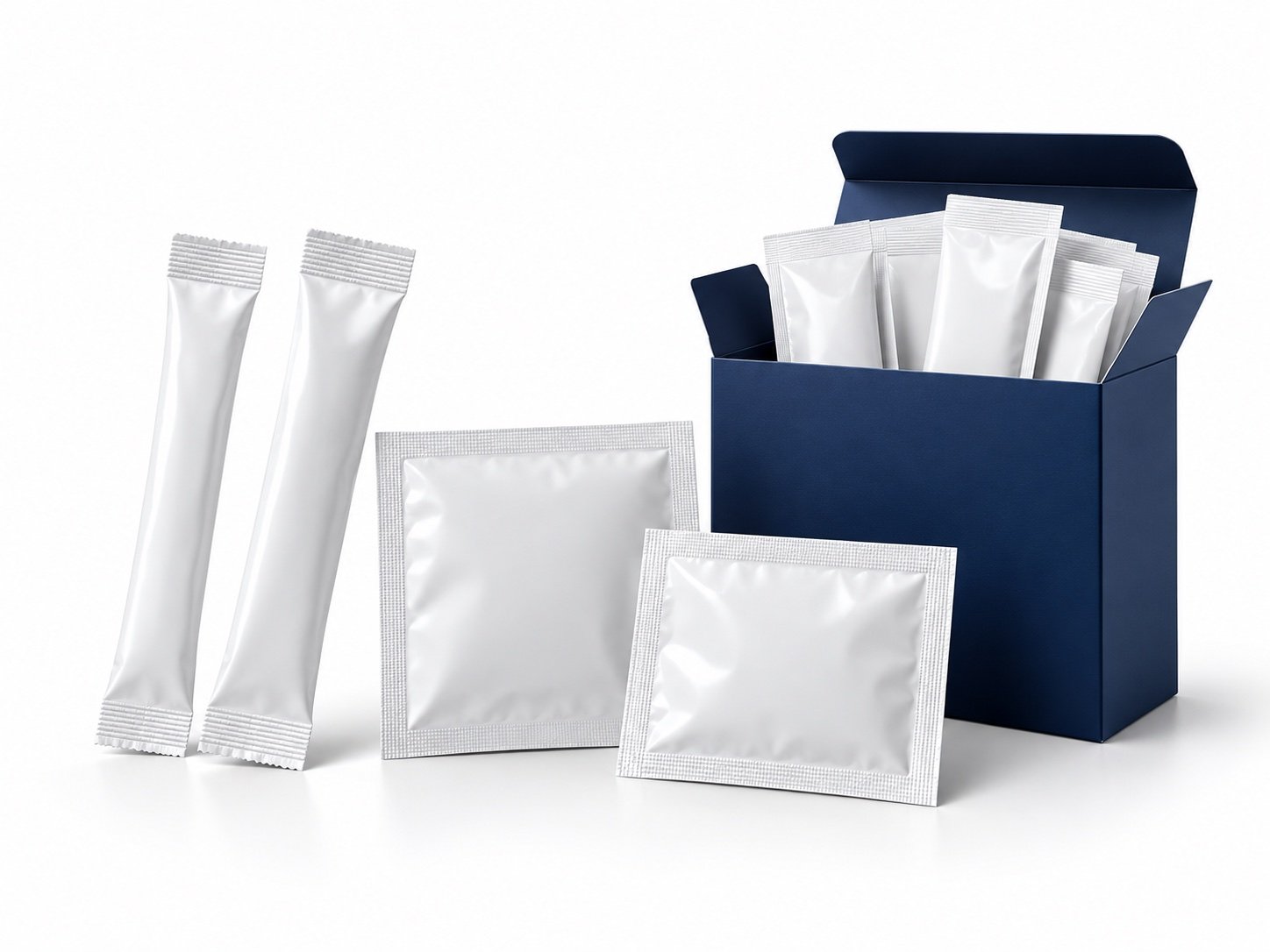
A narrow stick is a familiar serving option for beverages, while a sachet can provide another opening and artwork layout. Confirm the fill, finished dimensions and consumer action together. If the product changes in density or flow, check the portion under the intended conditions instead of relying on a setting established with another sugar.
Compare stick width, sachet opening and artwork around the serving and pouring action. Crystal size, humidity and a blend's bulk density can change feeding and portioning behavior. A fine sweetener blend should be trialed separately from granulated sugar, even if both portions use a similar pack shape.
Specify the required number of portions per carton or outer bag and the accepted output at that stage. Use representative sugar or sweetener for sampling, startup and refill checks. Confirm the weighing method and finished-pack tolerances before treating a machine counter or aggregate average as acceptance evidence.
Compare stick packs and sachets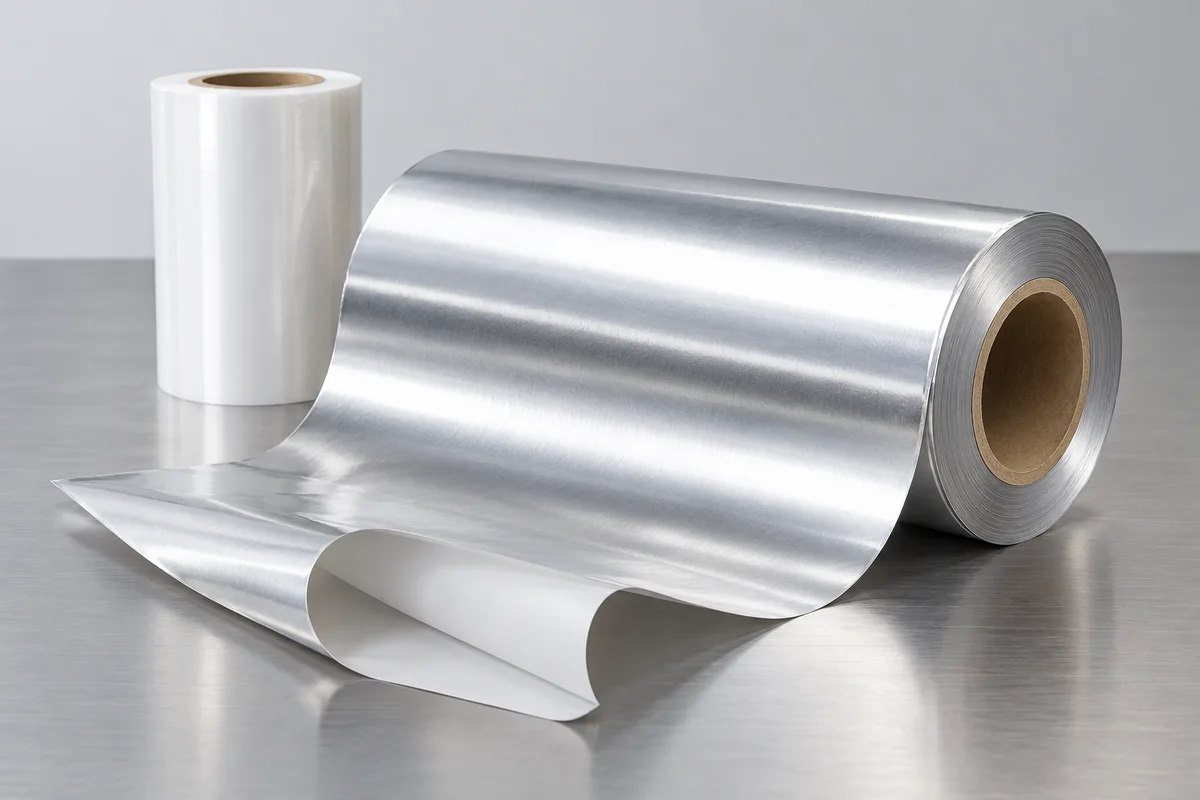
Which Laminates Are Suitable for Packaging Sugar & Sweeteners?
Review moisture protection, sealant behavior and opening performance with the film supplier. Printed sugar portions also need clear artwork registration and code placement. Run the proposed laminate with representative product and inspect the pack after collection; the required package specification belongs in the acceptance brief.
The film supplier should specify the necessary moisture protection and contact layer. Paper-based constructions and polymer laminates can provide different print, handling and sealing characteristics. Review the actual structure, coating and thickness rather than selecting material only because another sugar stick looks similar.
Test the production-intent roll for registration, cut position, sealing and opening with the chosen product. Check crystals or powder near the seals and pack condition after counting and cartoning. The package specification and sampling method should be documented alongside the portion target and machine settings.
Review your film specificationRelated Stories
 POWDER PACKAGINGHow to Choose a Powder Stick Pack Machine for Electrolyte and Supplement Blends
Get Your Packaging Solution
Tell us your product and packaging requirement. Our team will recommend the right stick pack or sachet packing machine for you.